
Introduction
If you’ve caught your dog snacking on something foul and thought, what can I do to stop my dog from eating poop?, you’re not alone. Coprophagia (the scientific term for poop-eating) is surprisingly common in dogs and can stem from a variety of reasons—nutritional deficiencies, boredom, stress, or simply instinct.
While the behaviour is gross, it's often harmless. However, consistent stool-eating can indicate underlying issues that need attention. In this blog post, we’ll cover the causes, prevention methods, and what steps you can take to stop your dog from eating poop.

Why Do Dogs Eat Poop? Common Reasons
Understanding the root cause is key to breaking the cycle. Here are the most frequent reasons dogs develop this behaviour:
1. Nutritional Deficiencies
Dogs lacking essential nutrients or enzymes may instinctively try to "supplement" their diet.
-
Poor-quality dog food
-
Unbalanced homemade meals
-
Digestive enzyme imbalance
2. Parasites or Malabsorption Issues
Intestinal worms and malabsorption can prevent your dog from getting the nutrients it needs, leading to strange cravings.
Solution: Schedule regular vet checkups and deworming protocols.
3. Attention-Seeking or Anxiety
Some dogs eat poop to get a reaction from their owners or cope with anxiety.
-
Separation anxiety
-
Boredom or lack of stimulation
-
Learned behaviour from punishment

4. Instinctual Pack Behaviour
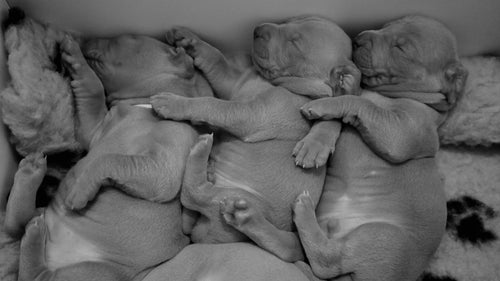
In the wild, mother dogs clean their puppies by eating feces. Some dogs retain this instinct.
5. Poor Clean-Up Habits
If waste is left around the yard or home, dogs are more likely to snack out of curiosity or habit.
Tip: Clean up immediately after your dog poops.
What Can I Do to Stop My Dog from Eating Poop?
Let’s address the big question—what can I do to stop my dog from eating poop? Below are effective strategies that have helped many dog owners resolve this issue.
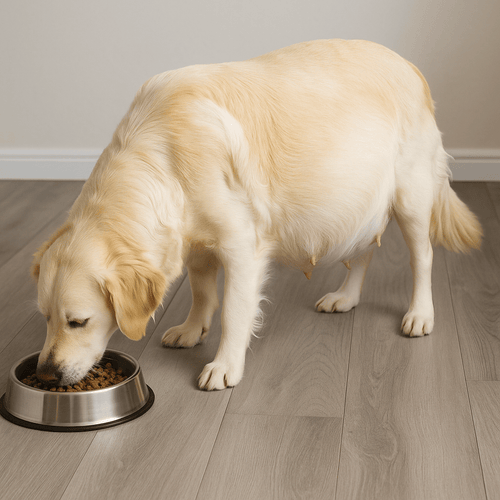
1. Switch to a High-Quality Diet
Feed your dog a vet-recommended, high-protein, easily digestible diet.
-
Avoid artificial fillers and grains
-
Opt for meat-first formulas
-
Consider adding digestive enzymes or probiotics

2. Add Stool Deterrents to Meals
There are chewable supplements designed to make stool taste unappealing.
-
Available in pet stores and online
-
Include ingredients like yucca, parsley, and MSG
3. Regular Exercise and Mental Stimulation
Prevent boredom by engaging your dog in daily activities.
-
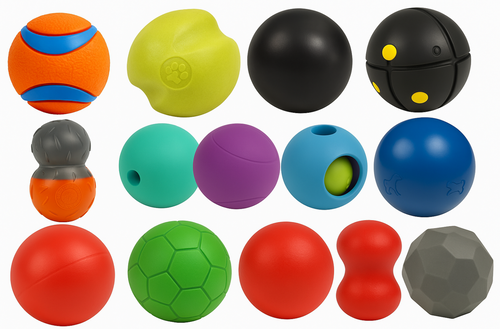
Puzzle toys
-
Training games
-
Daily walks and play sessions
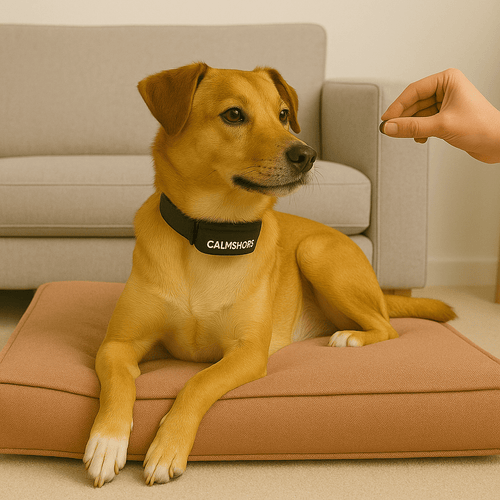
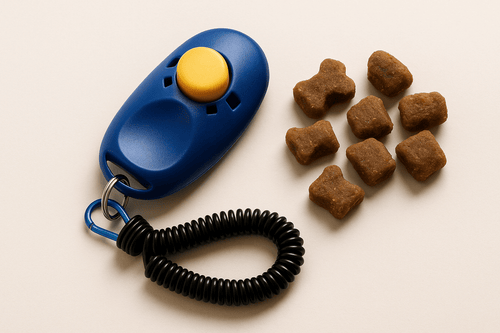
4. Positive Reinforcement Training
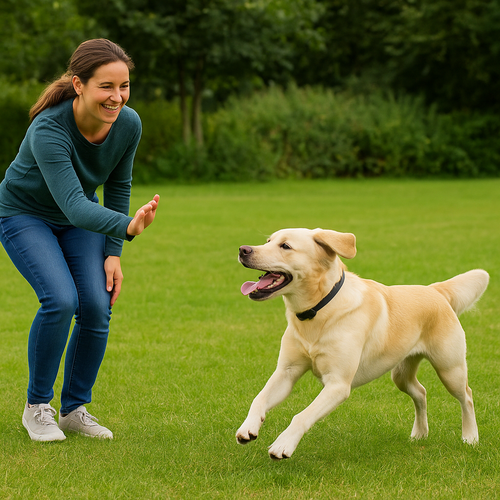
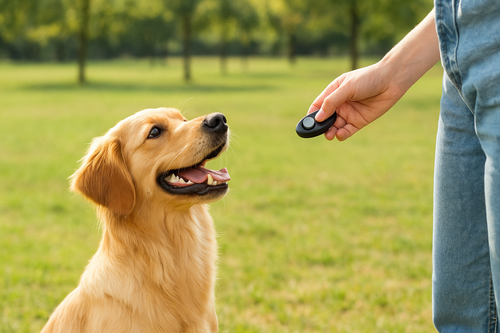
Redirect your dog’s attention and reward them for ignoring feces.
-
Use commands like "leave it"
-
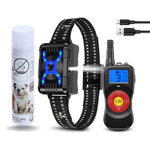
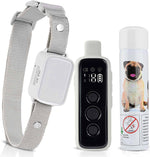
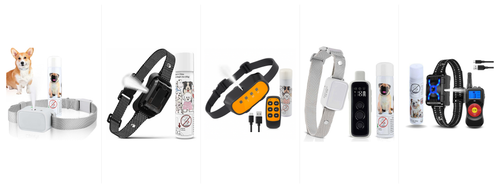
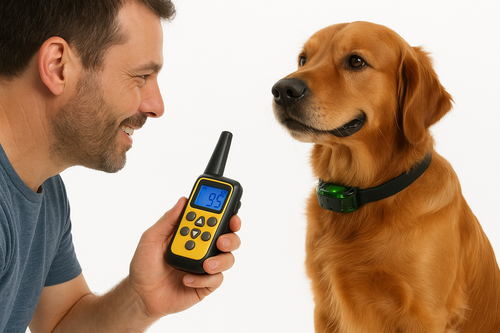
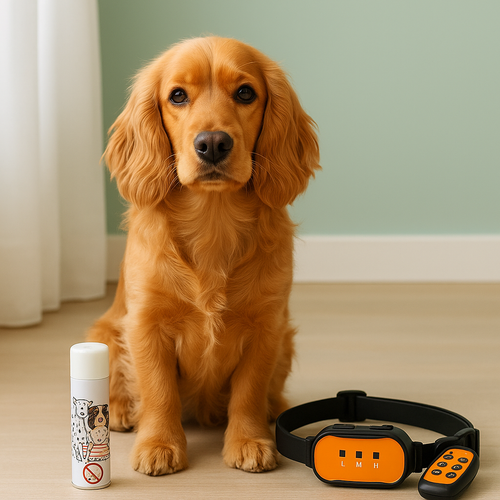
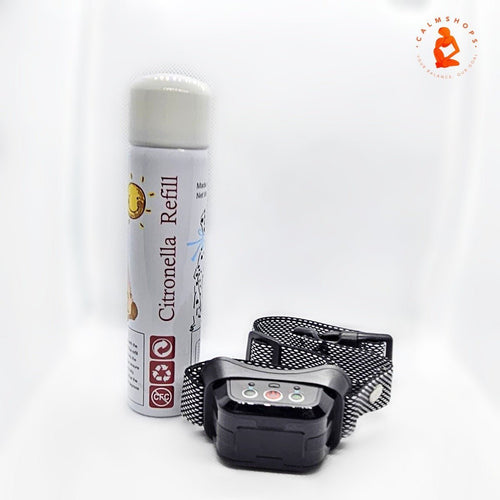
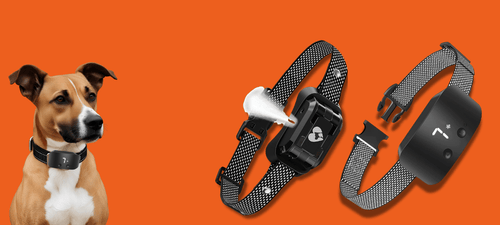
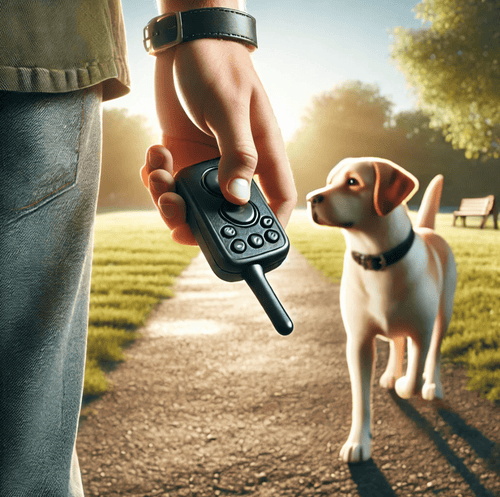
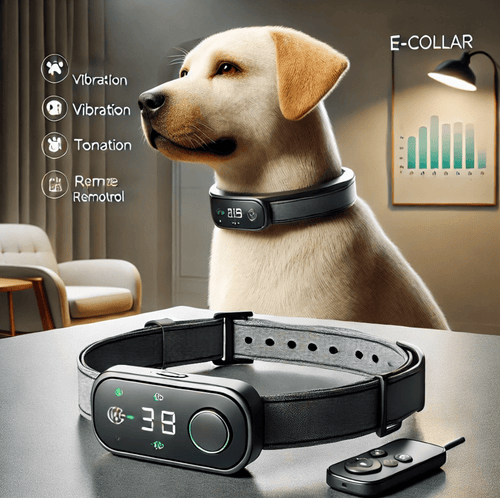
Use citronella spray collar to stop your dog from eating a poop
-
Stay consistent and patient

5. Keep the Environment Clean
Don’t give your dog the chance to engage in the behaviour.
-
Scoop poop immediately
-
Supervise your dog during walks and playtime
-
Clean litter boxes if you have cats
6. Consult Your Veterinarian
Persistent behaviour may require medical attention.
-
Rule out parasites, malabsorption, or enzyme deficiencies
-
Discuss diet upgrades
-
Ask about safe anti-coprophagia products
Products That Can Help
Some pet owners find success using specific products designed to discourage poop-eating.
-
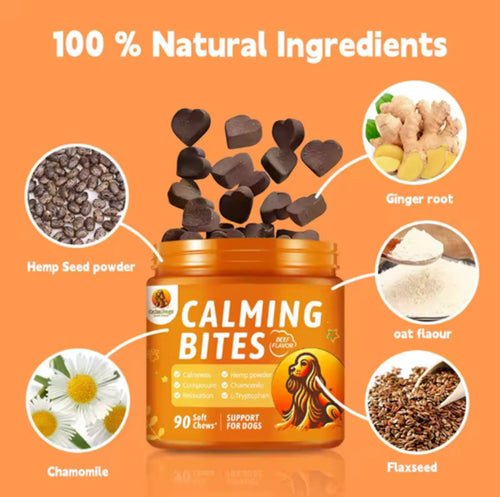
Calmshops Calming Dog Treats – Useful for anxiety-driven behaviour
-
Stool deterrent chews – Widely available with natural ingredients
-
Taste-aversion sprays – For use on feces (only if supervised)

Is It Dangerous for Dogs to Eat Poop?
Yes, it can be—especially if the feces belong to other animals.
Risks include:
-
Parasites and bacteria
-
Exposure to harmful drugs (in medicated stool)
-
Intestinal infections
It’s critical to act early and maintain hygiene to prevent health problems.
My Puppy Eats Poop – Is This Normal?
Many puppies go through this phase. It’s usually outgrown with proper training and nutrition.
Do:
-
Clean up promptly
-
Offer chew toys and mental stimulation
-
Train using reward-based methods
Don’t:
-
Punish harshly
-
Ignore it for too long

Real-Life Stories
Harvey, the Beagle:
"We tried everything, and nothing worked until our vet recommended a food switch and probiotics. Harvey hasn’t touched poop in months."
Bella, the Rescue:
"She came to us with this habit. We trained her using ‘leave it’ and calming treats from Calmshops. Total game-changer."
Final Bark
So, what can I do to stop my dog from eating poop? Start by identifying the cause, make changes to diet and environment, and use consistent, positive reinforcement. Don't hesitate to consult your vet.
It’s not the most glamorous part of pet ownership, but with patience and persistence, this icky habit can be corrected.
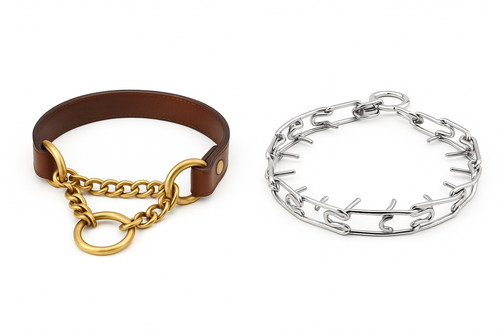
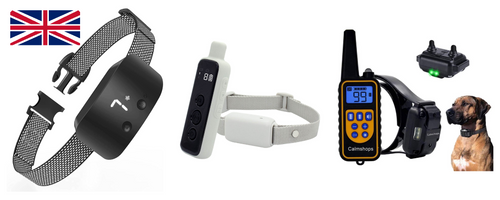
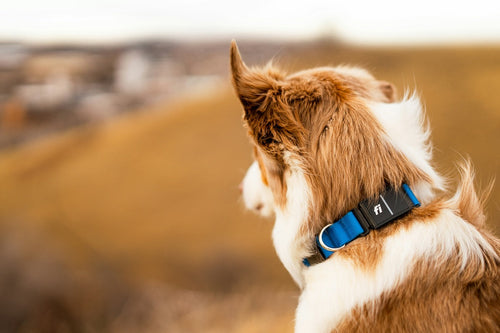
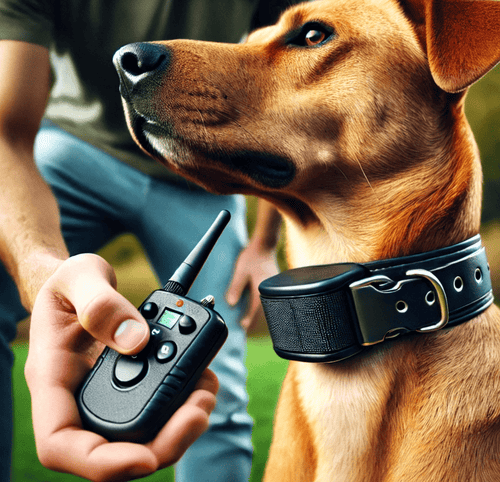
Visit Calmshops.co.uk for training collars, calming treats, and other tools designed to support positive behavioural change in your dog.
Frequently Asked Questions
Here are some common questions customers may have about this topic.
Why does my dog eat poop even though I clean the yard regularly?
Even with regular cleaning, your dog might eat poop due to nutritional deficiencies, anxiety, or instinctual behaviour. Immediate clean-up helps, but addressing diet quality, mental stimulation, and training is essential to stop this habit effectively.
Can changing my dog’s diet really stop poop-eating?
Yes, switching to a high-quality, vet-recommended diet that is rich in protein and easily digestible can reduce coprophagia. Adding digestive enzymes or probiotics may also help correct nutritional imbalances triggering this behaviour.
Are stool deterrent supplements safe for my dog?
Stool deterrent supplements containing natural ingredients like yucca and parsley are generally safe when used as directed. They make stool taste unpleasant, discouraging your dog from eating it. Always consult your vet before adding supplements to your dog’s meals.
How can training help stop my dog from eating poop?
Positive reinforcement training teaches your dog to ignore faeces by rewarding good behaviour. Commands like 'leave it' combined with consistency and patience are effective. Tools like citronella spray collars can also aid in breaking the habit.
Could my dog’s poop-eating be linked to health issues?
Yes, health problems like intestinal parasites or malabsorption can cause nutritional deficiencies, prompting dogs to eat stool. Regular vet checkups and deworming are crucial to identify and treat any underlying medical causes.