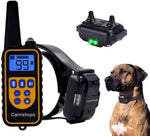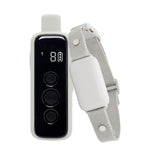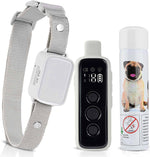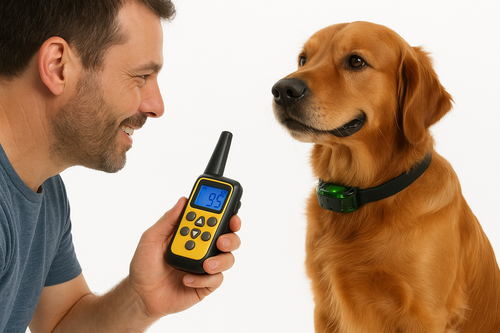

Short answer: No, vibrating dog and shock collars are not banned in the UK. What will be banned at some poin, (or restricted) in parts of the UK are remote-controlled collars that deliver an electric shock Below, we break down the rules in England, Wales, Scotland and Northern Ireland, link to official government sources, and explain how vibration-only collars fit in.
What exactly will England ban?

The Animal Welfare (Electronic Collars) (England) Regulations 2023 (draft) make it an offence to attach or use an “electronic collar” that can deliver an electric current to a dog or cat when activated by a hand-held remote. The explanatory note confirms the scope and the start date: yet to pass. Penalty is by summary conviction (a fine). Are electric shock collars cruel?
If you want to read the draft instrument yourself, it’s on legislation.gov.uk (the UK government’s official legislation website).
Will the English ban include vibrating collars?
No. The ban targets collars that send an electric current. Vibration-only devices do not deliver an electric current and therefore are not captured by this regulation. (Wales’ 2010 regulations similarly target collars designed to administer an electric shock.) Are vibrating dog collars cruel? Read more and find your answer.
Are vibrating dog collars banned anywhere in the UK?
-
England: Not banned. The prohibition is limited to shock via remote control.
-
Wales: Not banned (the 2010 Welsh regulations prohibit shock, not vibration).
-
Scotland: Not banned (no specific legislation; government guidance warns use of aversive devices may be an offence depending on welfare impact). Scottish Government
-
Northern Ireland: Not banned (but general welfare law applies).
Practical guidance: using vibrating collars humanely

Even though vibration collars are legal, you still have a duty of care under UK animal welfare laws. Best practice:
-
Start low & pair with rewards
Use the lowest effective vibration. Mark and reward calm behaviour immediately after the cue so the dog learns what to do, not just what to stop. -
Keep sessions short
3–5 minute sessions, a few times a day. End on success. -
Mind the context
Avoid cues when your dog is fearful (e.g., fireworks at close range). Increase distance first, then train. -
Check fit & welfare
Two-finger rule under the strap; avoid continuous wear; inspect the skin/fur daily. -
Know when to seek help
Persistent distress or aggression needs a qualified, reward-based trainer or your vet.
How the four-nation picture affects owners (2025)
-
If you’re in Wales, do not use remote-controlled shock collars—that’s illegal. Vibration/spray collars remain lawful; follow welfare-friendly training.
-
In Scotland and Northern Ireland, shock collars are not expressly banned (as of today), but you can still be prosecuted if use causes unnecessary suffering. Expect ongoing policy debate in both nations.
Official sources (read the law yourself)
-
England: Animal Welfare (Electronic Collars) (England) Regulations 2023 – like to pass soon. ( including the explanatory note and commencement)
-
Wales: Animal Welfare (Electronic Collars) (Wales) Regulations 2010 – ban on shock collars since 2010.
-
Scotland: Scottish Government material on e-collars and official guidance noting potential offences under the Animal Health and Welfare (Scotland) Act 2006. (gov.scot)
-
Northern Ireland: Welfare of Animals Act (Northern Ireland) 2011 (no specific shock-collar ban; general welfare offences apply).
FAQ: “Are vibrating dog collars banned in the UK?”
Q: So are vibrating dog collars banned in the UK?
A: No. Shock and Vibration collars are not prohibited.
Q: Can I still buy/use a shock collar in England, Scotland or Northern Ireland?
A: There’s no outright ban right now, but you could breach welfare laws if the device causes unnecessary suffering. Check local guidance and consider positive, no-pain alternatives.
Q: Are automatic bark or containment collars banned in England?
A: England’s 2023(draft) regulations target remote-controlled collars that deliver an electric current. Other devices are outside the scope of that specific ban, but you still must ensure welfare. Always verify current guidance before buying.
The law by nation
-
England – It’s legal to use remote-controlled collars that send an electric current to a dog or cat. The Animal Welfare (Electronic Collars) (England) Regulations 2023 will come into force likely in the future. These regulations target electric-shock collars activated by a hand-held device; they do not cover vibration-only collars.
-
Wales – A ban has existed since 2010, aking it an offence to use any electronic collar designed to administer an electric shock on dogs or cats. See the Animal Welfare (Electronic Collars) (Wales) Regulations 2010.
-
Scotland – No outright ban (as of September 24, 2025). The Scottish Government issued guidance stating that using aversive devices, including shock collars, may constitute an offence under the Animal Health and Welfare (Scotland) Act 2006; the Scottish Animal Welfare Commission has also reported on e-collars. A formal consultation on a ban has been signalled, but no legal prohibition is in place yet.
-
Northern Ireland – No specific ban on shock collars at present. However, causing unnecessary suffering is an offence under the Welfare of Animals Act (Northern Ireland) 2011; MLAs have discussed potential restrictions.
Key point for owners: The above bans/restrictions focus on electric shock delivered via a remote control.
Vibrating (no-shock) collars and spray/ultrasonic devices are not prohibited by these English/Welsh regulations and remain legal UK-wide, when used humanely.
Last Bark
If you’re searching “are vibrating dog collars banned in the UK?”—vibration-only collars are legal. Shock collars are not banned in England. But ibanned Wales (since 2010), and not banned in Scotland or Northern Ireland, though general welfare laws still apply. Use gentle cues, pair with reward-based training, and monitor your dog’s comfort.
Frequently Asked Questions
Here are some common questions customers may have about this topic.
Are vibrating dog collars currently banned anywhere in the UK?
No, vibrating dog collars are not banned anywhere in the UK. The existing and proposed legislation specifically targets remote-controlled electric shock collars, while vibration-only devices remain legal across England, Wales, Scotland, and Northern Ireland.
What does the proposed Animal Welfare (Electronic Collars) (England) Regulations 2023 cover?
The draft regulations in England prohibit the use of electronic collars that deliver an electric shock via a remote control. The ban does not extend to collars that only vibrate, as these do not administer an electric current to the animal.
How should vibrating collars be used to ensure humane treatment of dogs?
To use vibrating collars humanely, start with the lowest effective vibration, pair the cue with positive rewards, keep training sessions short, avoid using the collar in stressful situations, regularly check the collar fit and skin condition, and seek professional help if the dog shows distress or aggression.
What are the legal differences regarding electronic collars across the four UK nations?
England plans to ban shock collars remotely controlled, Wales already bans shock collars, Scotland has no specific ban but warns about welfare risks, and Northern Ireland does not ban shock collars but applies general animal welfare laws. Vibrating collars remain legal in all four regions.
Is it legal to use remote-controlled shock collars in Wales?
No, remote-controlled shock collars are illegal in Wales under the 2010 regulations. However, vibration-only collars and spray collars remain lawful, provided owners adhere to animal welfare best practices.