Skip to content


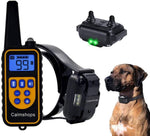
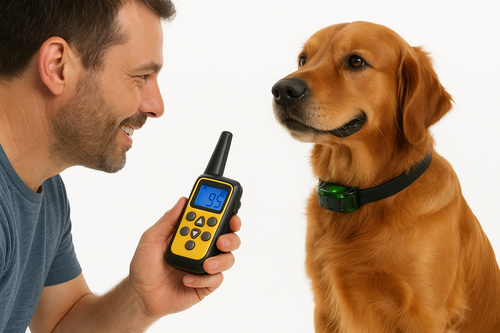
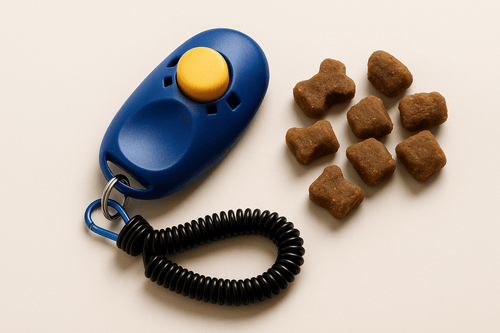
We know the struggles a new pet owner goes through, especially when it comes to training a new puppy. Some dogs pick up house training and recall in a couple of weeks; others take a lot longer, and it can feel like nothing is working. Treats and consistency get most dogs there eventually, but a lot of owners also look at electric collars along the way, so it is worth being clear about what that term actually covers, and where Calmshops stands.
What counts as an "electric dog collar"?
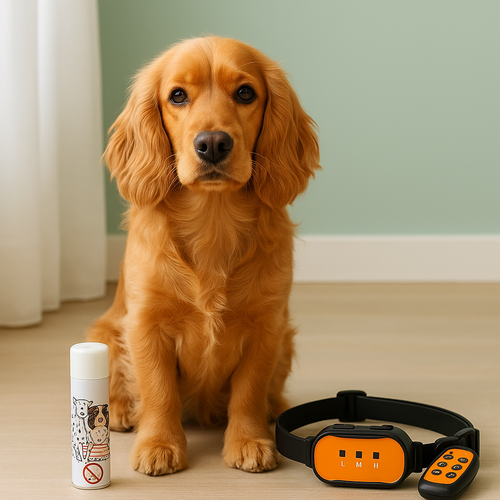
It is a broad term that covers several different devices, and mixing them up is where a lot of the confusion about safety and legality comes from. The stimulus an electric collar delivers can be:
- Vibration - a buzz against the dog's neck, used to interrupt or redirect a behaviour
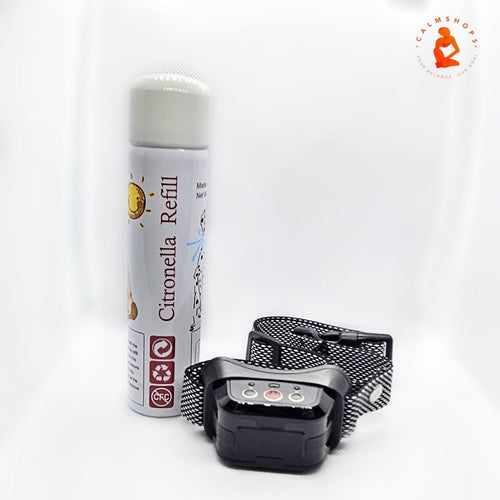
- Citronella spray - a short burst of scent, most common on automatic anti-bark collars
- A warning tone or beep - often paired with vibration or spray as an earlier-stage warning
- Static electric shock - an electrical pulse, a separate category from the three above and the one this page is mainly about
Collars can also be remote-controlled, where you trigger it yourself, or automatic, where a sensor triggers it, usually in response to barking. Either control method can be paired with any of the four stimulus types above; a remote-controlled collar is not automatically a shock collar, and an automatic collar is not automatically gentler.
Shock collars: why we don't sell them
Static shock collars are banned outright only in Wales, where the Animal Welfare (Electronic Collars) (Wales) Regulations 2010 have prohibited them since 2010. England, Scotland and Northern Ireland have each come close to a ban without one actually being in force: England's regulations were approved and then withdrawn just before they were due to take effect in February 2024, and a Scottish Parliament amendment to ban them was defeated in January 2025. Northern Ireland's Assembly discussed a ban during an oral question to the minister in June 2024, which was not put to a motion or a vote. None of that makes shock collars illegal to own or use outside Wales — it means the general law against causing an animal unnecessary suffering still applies to how one is used. This is correct as of 5 September 2026; the full nation-by-nation detail, dated and sourced, is in our dedicated legal guide.
Calmshops does not sell or recommend shock collars anywhere they are legal to sell. That is a welfare position, not just a legal one. On 27 August 2018 Defra, then led by Michael Gove, announced its intention to ban hand-held remote-controlled e-collars, citing evidence that "e-collars can re-direct aggression or generate anxiety-based behaviour in pets – making underlying behavioural and health problems worse." The announcement was narrower than it tends to be remembered: it explicitly excluded invisible fencing systems, which also deliver a static shock but are used to keep a pet away from roads rather than for training, stating that "the Government will not extend the ban to invisible fencing systems which can keep pets away from roads and potential traffic accidents." That distinction rarely makes it into how this history gets repeated. The 2018 announcement is also often mistaken for the ban itself, including on the previous version of this page — it was not one. It eventually led to regulations for England, made in 2023 and withdrawn before they took effect in February 2024 — fourteen years after Wales' own 2010 ban. The underlying welfare concern the government described in 2018 did not go away just because that regulation did.
What we sell instead: vibration and spray
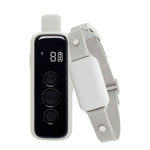
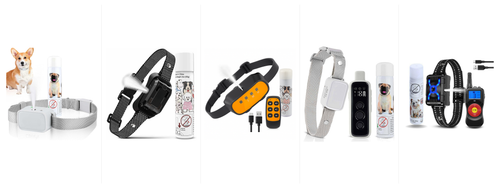
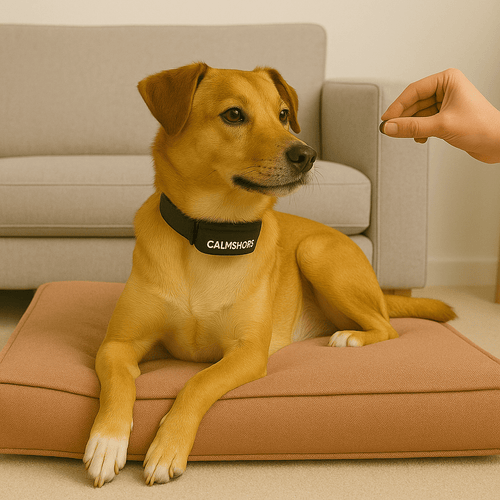
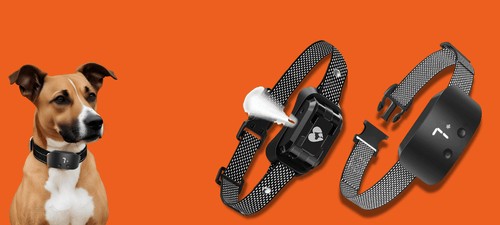
The collars we stock use vibration, not shock, to interrupt unwanted behaviour: no electrical pulse, nothing that can burn or shock the skin. Several of our citronella spray collars are themselves multi-mode devices, combining spray, vibration and a warning beep in one collar with each mode independently adjustable, rather than being spray-only. Each of these collars comes with a 30-day money-back guarantee if it does not suit your dog.
Is a shock collar actually unsafe?
People who use shock collars often point out that a single, correctly calibrated shock does not cause lasting physical injury, and that is true as far as it goes. But "does not cause a lasting injury" is not the same question as "is a good idea." The concern behind the 2018 government announcement above, and reflected in the welfare law underpinning all four nations' positions, is behavioural: e-collars can redirect a dog's fear or pain response into aggression, and repeated or excessive use can create anxiety that outlasts whatever behaviour it was meant to correct. That is harder to notice than a burn, and harder to undo.
Last bark
"Electric dog collar" covers four different things. We sell two of them, vibration and spray, and nothing that delivers a shock. Safety turns out to be a behavioural question as much as a physical one — if you are choosing between vibration and spray for your own dog, that is the more useful question to spend time on than whether a shock collar counts as "safe."
Frequently Asked Questions
Here are some common questions customers may have about this topic.
What counts as an electric dog collar?
It's an umbrella term for several different devices: vibration collars, citronella spray collars, tone or beep collars, and static shock collars, each delivering a different kind of stimulus. They can also be remote-controlled or automatic. Calmshops sells vibration and citronella spray collars; we do not sell shock collars.
Are shock collars safe for dogs?
A single, correctly calibrated shock does not usually cause lasting physical injury, but that isn't the same as being a good training choice. Government and welfare evidence points to a behavioural risk, since e-collars can redirect a dog's fear response into aggression or create anxiety that outlasts the behaviour they were meant to correct. Calmshops does not sell or recommend shock collars for this reason.
Are shock collars legal in the UK?
It depends on the nation. Wales has banned them outright since 2010. England, Scotland and Northern Ireland do not currently ban them, though each has come close, and the general law against causing an animal unnecessary suffering still applies everywhere. A dedicated page on this site covers the full nation-by-nation detail.
Does Calmshops sell electric shock collars?
No. We sell vibration collars and citronella spray collars only, several of which combine vibration, spray and a warning beep in one device. We do not sell or recommend static shock collars anywhere they are legal to sell.
What's the difference between a vibration collar and a spray collar?
A vibration collar interrupts unwanted behaviour with a buzz against the dog's neck, while a spray collar releases a short burst of citronella scent, usually to interrupt barking. Many of our spray collars also include a vibration mode, so the two aren't always separate products.