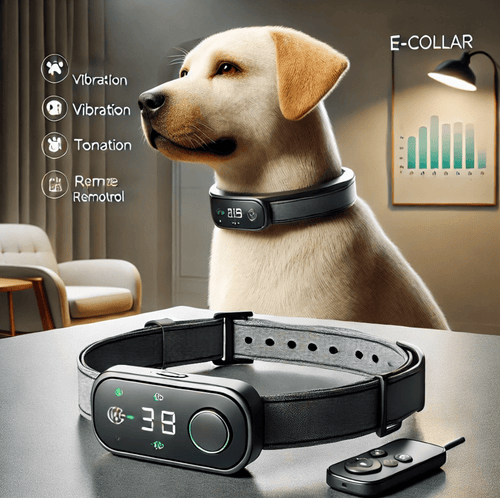

Excessive barking can strain the bond between you and your dog, disrupt your household, and even lead to complaints from neighbors. Fortunately, there are effective, humane methods to address this issue. This comprehensive guide explores how to stop dog barking, focusing on anti-bark collars, training techniques, and understanding the root causes of barking behavior.
Understanding Why Dogs Bark
Barking is a natural form of communication for dogs. However, when it becomes excessive, it's essential to identify the underlying causes:
-
Territorial Behavior: Dogs may bark to protect their territory from perceived intruders.
-
Attention-Seeking: Some dogs bark to gain attention or rewards.
-
Anxiety or Fear: Loud noises, unfamiliar environments, or separation from owners can trigger barking.
-
Boredom: Lack of mental and physical stimulation can lead to barking out of frustration.
-
Medical Issues: Pain or discomfort may cause a dog to bark more than usual.
Understanding the reason behind your dog's barking is the first step toward effective management.
Training Techniques to Stop Dog Barking

Before considering an anti-bark collar, implement these training strategies:
1. Positive Reinforcement
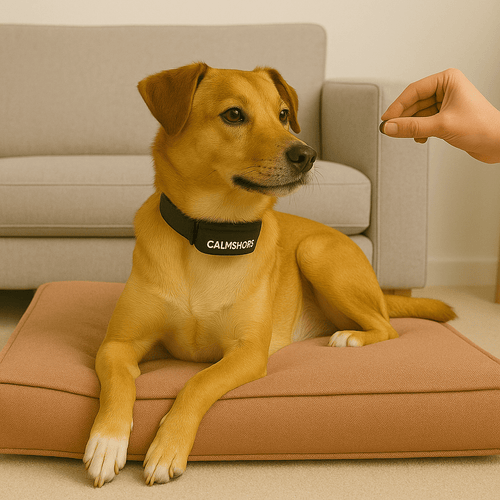
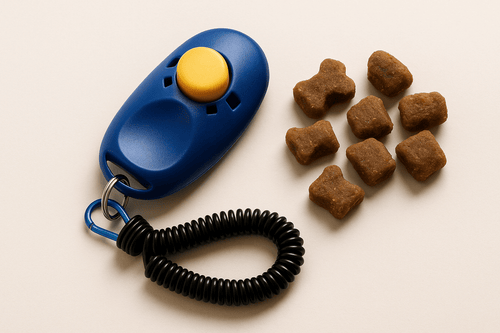
Reward your dog for quiet behavior. When your dog remains silent in a situation that would typically trigger barking, offer treats or praise.
2. Desensitization
Gradually expose your dog to the stimuli that cause barking, starting at a low intensity and increasing over time, rewarding calm behavior throughout.
3. Teach the "Quiet" Command
Train your dog to understand a "quiet" command. When your dog starts barking, say "quiet" in a calm, firm voice. Wait until they stop barking, even if it's just to take a breath, and reward them. Consistent repetition will help them associate the command with the action.
4. Provide Adequate Exercise and Mental Stimulation
Ensure your dog receives sufficient physical activity and mental engagement through walks, playtime, and interactive toys to reduce boredom-induced barking.
Anti-Bark Collars: An Overview
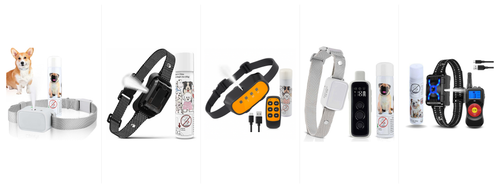
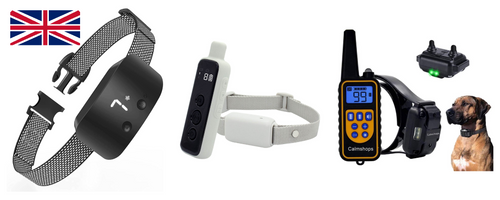
Anti-bark collars can be a useful tool when used responsibly and in conjunction with training. They are designed to interrupt barking behavior through various stimuli.
Types of Anti-Bark Collars
-
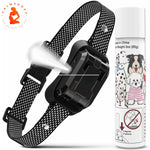
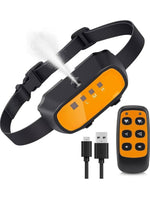
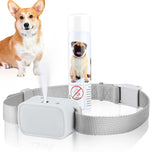
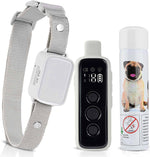
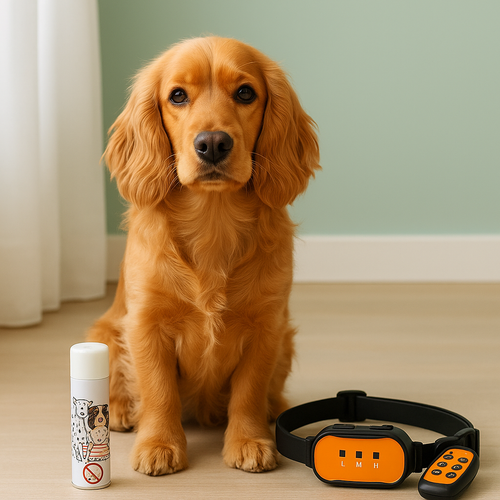
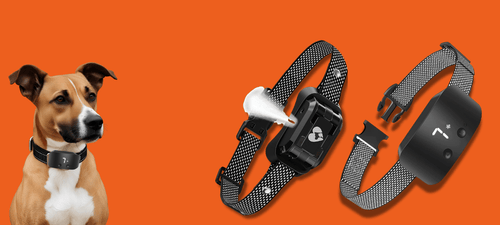
Citronella Collars: Release a burst of citronella spray when the dog barks. The unpleasant scent deters barking.
-
Ultrasonic Collars: Emit a high-pitched sound inaudible to humans but unpleasant to dogs.
-
Vibration Collars: Deliver a gentle vibration to distract the dog from barking.
-
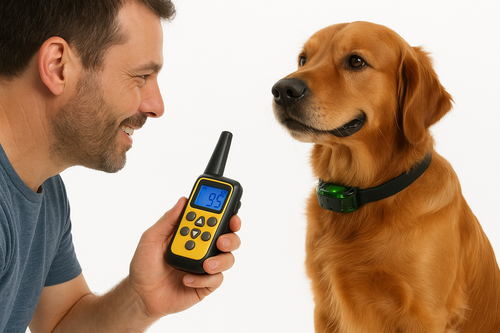
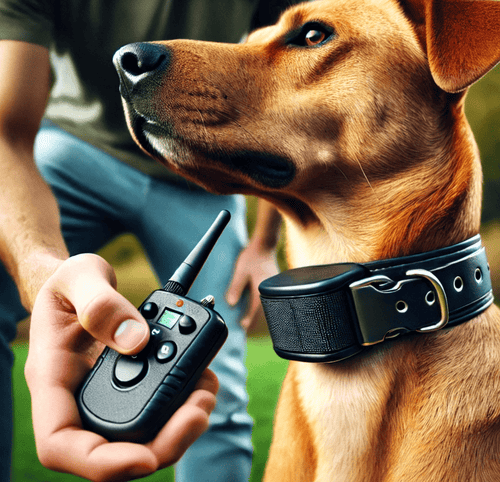
Static (Shock) Collars: Provide a mild electric stimulation. These are controversial and, in some regions, banned due to animal welfare concerns. Dont use them!


It's crucial to choose a collar that suits your dog's temperament and to use it as part of a broader training program.
Best Practices for Using Anti-Bark Collars
-
Consult a Professional: Before using an anti-bark collar, consult with a veterinarian or a certified dog trainer to ensure it's appropriate for your dog's specific situation.
-
Proper Fit: Ensure the collar fits correctly—not too tight to cause discomfort, and not too loose to be ineffective.
-
Limit Usage: Use the collar for short periods and never leave it on your dog continuously.
-
Monitor Your Dog: Observe your dog's reaction to the collar. If you notice signs of stress or fear, discontinue use immediately.
-
Combine with Training: Use the collar in conjunction with positive reinforcement training techniques for the best results.
Addressing Specific Barking Triggers

Separation Anxiety
Dogs with separation anxiety may bark excessively when left alone. Gradual desensitization, providing comfort items, and creating a safe space can help alleviate anxiety.
Environmental Stimuli
If your dog barks at specific triggers like the doorbell or passing cars, work on desensitization and counter-conditioning to reduce reactivity.
Attention-Seeking Behavior
Ignore attention-seeking barking. Only give attention when your dog is quiet, reinforcing that silence earns rewards.
When to Seek Professional Help
If your dog's barking persists despite training and the use of anti-bark collars, consult a professional dog trainer or a veterinary behaviorist. They can assess underlying issues and develop a tailored behavior modification plan.
Conclusion
Stopping excessive dog barking involves understanding the root causes, implementing consistent training, and, when appropriate, using tools like anti-bark collars responsibly. Always prioritize your dog's well-being and consult professionals when needed to ensure a harmonious relationship between you and your furry companion.
Frequently Asked Questions
Here are some common questions customers may have about this topic.
What are the main reasons dogs bark excessively according to this guide?
The guide explains that dogs bark excessively due to territorial behaviour, attention-seeking, anxiety or fear, boredom, and sometimes medical issues. Understanding these causes is key to effectively managing and reducing unwanted barking.
How can I train my dog to stop barking using the 'quiet' command?
To teach the 'quiet' command, calmly say 'quiet' when your dog barks and wait for them to stop, even briefly. Once they pause, immediately reward them with praise or treats. Consistent repetition helps your dog associate the command with stopping barking.
What types of anti-bark collars are discussed, and which one should I avoid?
The article covers citronella, ultrasonic, vibration, and static (shock) collars. It advises against static collars due to animal welfare concerns and legal restrictions in some areas. Instead, it recommends choosing collars that suit your dog's temperament and using them alongside training.
Why is it important to combine training techniques with anti-bark collars?
Combining training with anti-bark collars ensures a humane approach by addressing the root causes of barking while using collars to interrupt behaviour. This balanced method helps dogs learn appropriate responses rather than just suppressing barking temporarily.
How does exercise and mental stimulation impact a dog’s barking behaviour?
Providing adequate physical exercise and mental stimulation reduces boredom, a common cause of excessive barking. Activities like walks, playtime, and interactive toys help keep your dog engaged and calm, lessening the likelihood of barking out of frustration.