Skip to content


Shock Collars For Dogs...
If you've ever searched for ways to curb your dog's unwanted behaviour, chances are you've stumbled upon shock collars as a proposed solution. But the question arises: are dog shock collars cruel? The answer, covered in detail below, is a firm YES.
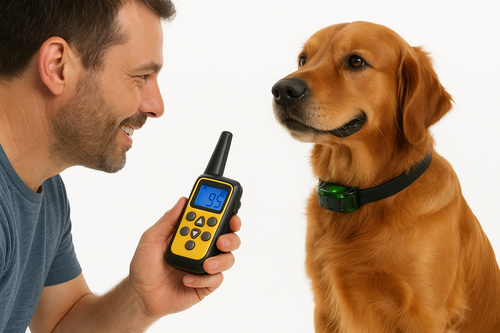
Shock collars, also known as e-collars or electronic training devices, are designed to deliver electric stimuli to a dog's neck to correct behaviours. While they may appear to offer a quick fix, the ethical implications and negative effects they have on dogs far outweigh any potential benefits.
The Mechanics: What Are Shock Collars and How Do They Work?

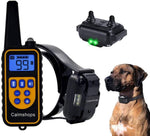
Shock collars operate by delivering a small electric shock, triggered by a remote or automatic sensor. Some collars include tones or vibrations as warning signals before a shock is administered. Although adjustable, even low-level shocks can be distressing to dogs.
A common justification for their use is that the shocks are "harmless" or "mild." However, dogs cannot articulate pain in human terms. What seems minimal to us could be traumatizing for them.
Legal Landscape: Bans Around the World
In many parts of the world, governments have taken a strong stance against these devices, reinforcing the stance that yes, dog shock collars are cruel.
Countries that have banned shock collars include:
-
Germany
-
Austria
-
Switzerland
-
Norway
-
Wales (since 2010)
Within the rest of the UK, only Wales has an outright ban on shock collars. England, Scotland and Northern Ireland currently have no shock-collar-specific law in force, although each has looked at introducing one, and the general offence of causing unnecessary suffering under UK-wide animal welfare law still applies wherever you live. For the full nation-by-nation picture, see our dedicated guide to UK shock collar law, correct as of 8 September 2026.
Where bans exist, they sit alongside general animal welfare law, which prohibits causing unnecessary suffering regardless of the training tool used.
Emotional Toll: Anxiety, Fear, and Aggression
One of the most distressing aspects of shock collars is their effect on a dog's emotional state. Dogs exposed to aversive training tools like shock collars can show higher stress levels, anxiety, and aggression, as set out in the professional guidance covered below.
Dogs trained with fear-based methods may obey, but not out of understanding or trust. They comply because they are afraid of being hurt—an approach that undermines the bond between dog and owner.

Veterinary and Professional Guidance
The American Veterinary Society of Animal Behavior's position statement on humane dog training advises against training tools that rely on pain, discomfort or fear, and specifically lists electronic shock collars alongside choke chains and prong collars as tools to avoid. That reflects a broader position among veterinary behaviourists: reward-based methods tend to produce more reliable results with less risk of fallout for the dog.
This lines up with what many trainers and behaviourists observe in practice: dogs trained with fear-based methods often show more stress and less engagement than those trained with reward-based approaches.
Better Alternatives: Humane and Effective Training Tools
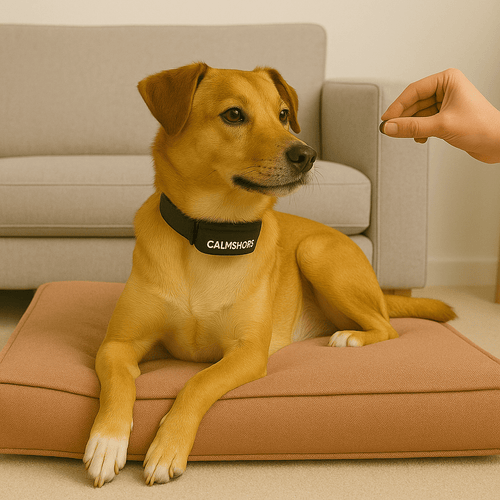
Modern dog training prioritises positive reinforcement over punishment. Humane methods avoid the physical and emotional risks set out above, without relying on pain or fear to get results.
Safe alternatives include:
-
Vibrating collars: These provide a non-painful signal and are often used for hearing-impaired dogs
-
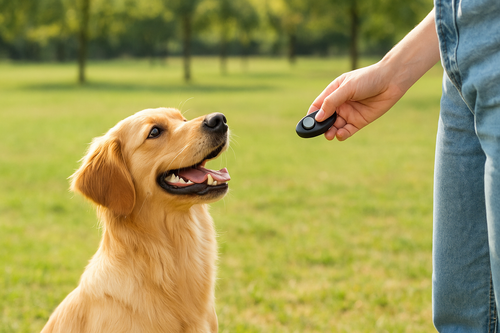
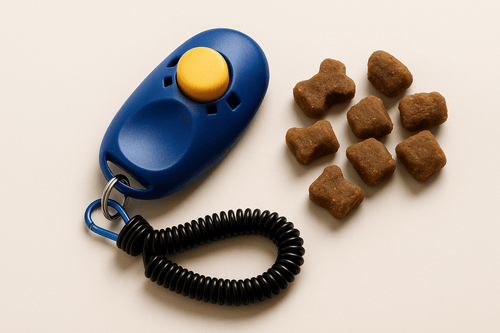
Clicker training: Utilises a consistent sound to reinforce good behaviour
-
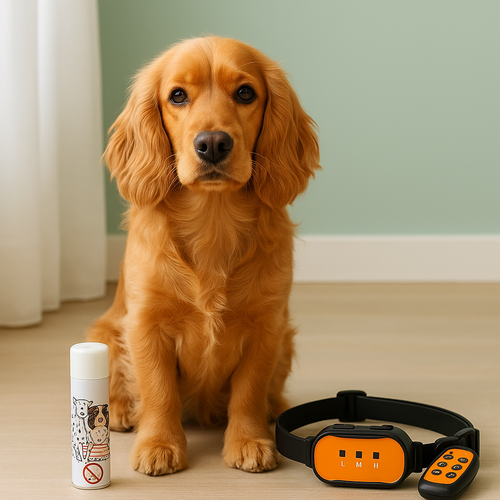
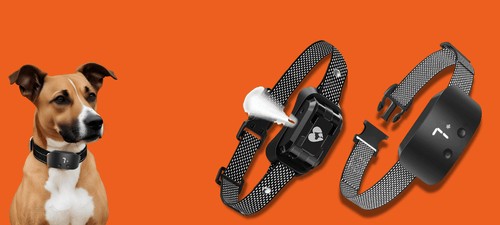
Citronella spray collars: Emits a harmless but unpleasant smell when barking occurs
-
Professional guidance: Working with certified trainers who use science-based methods
Retailers like Calmshops.co.uk specialise in humane dog training tools, including vibrating and citronella spray collars, which do not inflict pain. If your dog needs extra support settling, our guide to calming collars covers non-shock options in more detail.
Customer Reviews: Humane Collars That Work

Verified customer reviews on our website show how a humane, no-shock collar can make a real difference to everyday problem behaviours.
Bee Walters, verified customer review of our Deluxe Citronella Dog Collar, Stop Bark Spray Collar for Dogs, 15 November 2025:
"Only started using this a couple of weeks ago to stop my poodle from running off in woods after squirrels, and only had to use the spray setting twice before she now comes running back to me with just a beep! It's like having a remote-controlled dog! Pairing it with voice commands too, I now only have to say 'no', and she stops where she is, so hopefully I won't even have to use the collar for much longer. Brilliant!"
Margarita Davies, verified customer review of the same product, 8 May 2026:
"I'm very happy with the collar and result so far. Dylan was driving me mad and spray collar seems to divert his mind. It has been 2 quiet weeks for the moment."

Ethical Training Strengthens the Human-Dog Bond
Training is more than just obedience—it's about building communication and trust. A shock collar undermines this foundation. Dogs are intelligent, emotional beings capable of learning through kindness and consistency.
When you ask: Are dog shock collars cruel? consider how you would feel if someone used fear to teach you. Compassionate training methods create happier dogs and more fulfilled owners.
Last bark
Taking the welfare risks, the professional guidance above, and real-life experiences together, the verdict is clear: yes, dog shock collars are cruel. Their risks, emotional damage, and the existence of more humane alternatives make them unacceptable.
If you're seeking help with your dog's behaviour, choose methods that respect your dog's well-being. Say no to fear-based tools and yes to a future built on trust.
Frequently Asked Questions
Here are some common questions customers may have about this topic.
Why are dog shock collars considered cruel according to this article?
The article explains that shock collars deliver electric shocks that can cause distress, anxiety, and fear in dogs. Professional guidance such as the American Veterinary Society of Animal Behavior's position statement advises against training tools that rely on pain, discomfort or fear, naming electronic shock collars directly, despite claims they are harmless or mild.
Which countries and UK nations have banned the use of dog shock collars?
Germany, Austria, Switzerland and Norway have banned shock collars outright, and within the UK, Wales has banned them since 2010. England, Scotland and Northern Ireland currently have no shock collar specific ban in force. Scotland considered an outright ban, which was voted down in the Scottish Parliament in January 2025, and its government guidance discouraging shock collar use is not the same as a ban.
What emotional effects do shock collars have on dogs?
Shock collars increase stress, anxiety, and aggression in dogs because they rely on fear rather than understanding. This fear-based training damages the trust and bond between dogs and their owners, leading to obedience driven by anxiety rather than positive learning.
What do veterinary associations say about the use of shock collars?
The American Veterinary Society of Animal Behavior advises against training tools that rely on pain, discomfort or fear, and specifically names electronic shock collars alongside choke chains and prong collars as tools to avoid. This reflects a wider position among veterinary behaviourists favouring reward-based training.
What humane alternatives to shock collars does the article recommend?
The article recommends positive reinforcement and reward-based training as effective, ethical alternatives. These methods build trust and understanding between dogs and owners without causing fear or distress, making them better choices for behavioural correction.