
Understanding Deaf Dogs
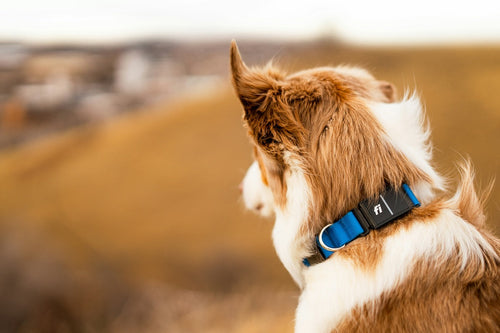
Training a deaf dog can seem challenging at first, but with the right approach and tools, it becomes a rewarding experience. Deaf dogs are just as intelligent and loving as hearing dogs, they simply need communication in a different form. Whether your dog was born deaf or lost hearing over time, learning how to attract their attention safely and effectively is key to successful training.
Why Deaf Dogs Need Special Training Techniques

Since deaf dogs can’t respond to verbal cues, traditional commands like “come,” “sit,” or “stay” won't work without visual or tactile alternatives. This doesn’t mean training isn’t possible, it just means you need to get creative with non-verbal communication methods.
Common training challenges for deaf dogs include:
- Gaining their attention from a distance
- Keeping them engaged without vocal commands
- Ensuring their safety off-leash
How to Get a Deaf Dog’s Attention
Here are some effective, safe, and humane ways to get your deaf dog’s attention:
1. Use Vibrating Dog Collars
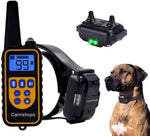
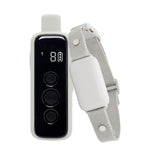
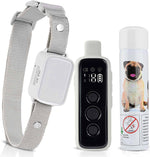
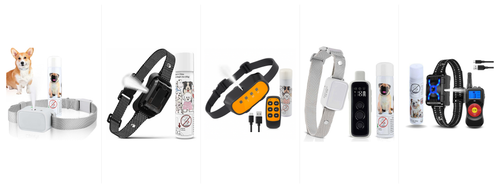
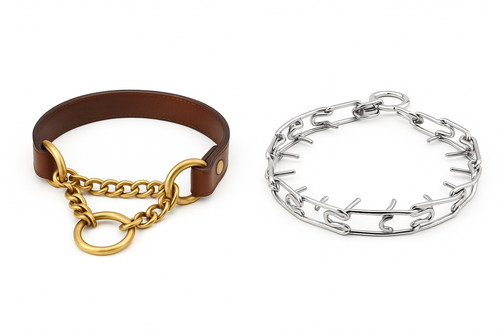
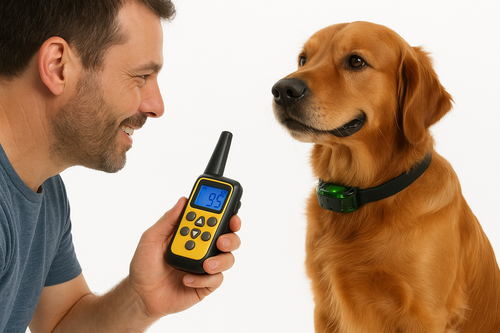
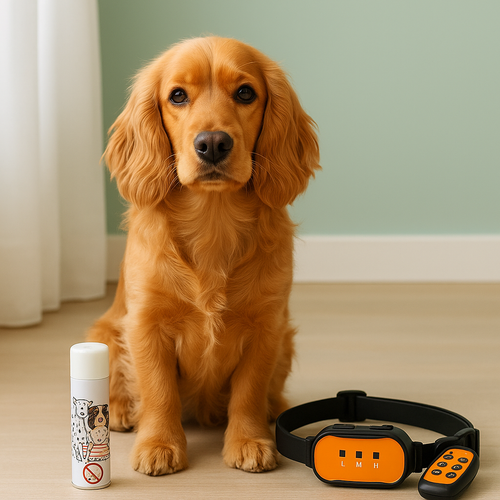
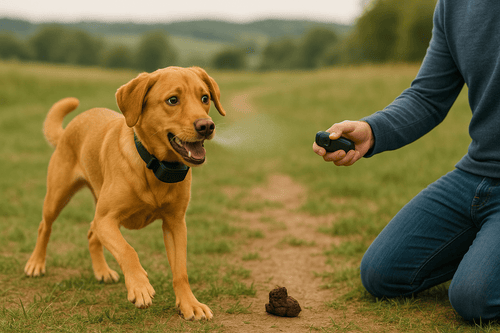
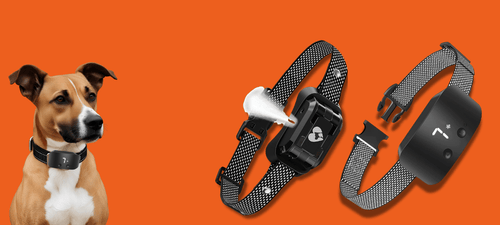
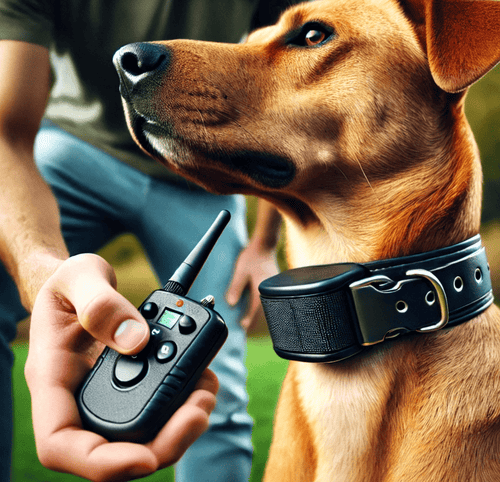
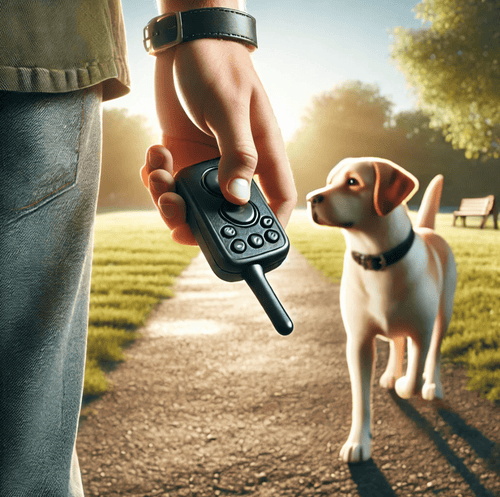
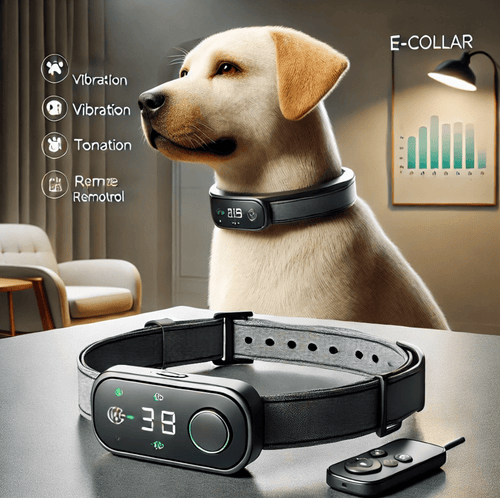
Vibrating collars are one of the most popular tools for training deaf dogs. Unlike shock collars, which can harm or scare dogs, vibrating collars simply send a gentle buzz that your dog can feel.
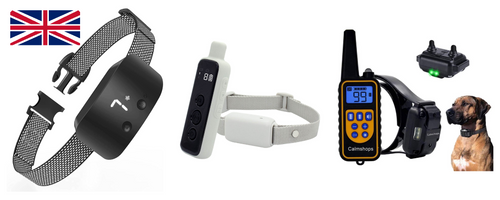
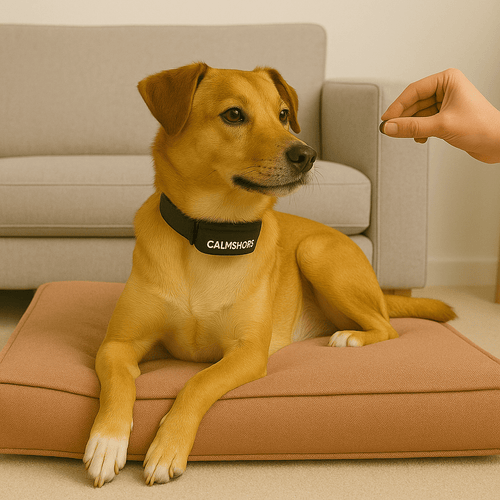
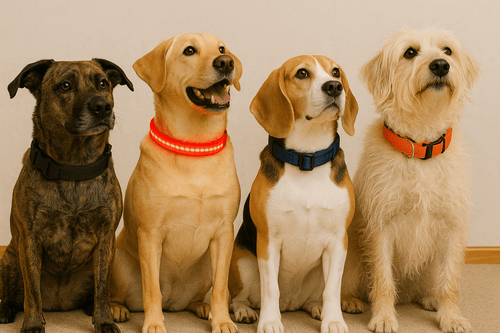
Calmshops Dog Collars are specifically designed with vibration features. They’re safe, adjustable, and ideal for deaf dog training. You can press a remote button to send a vibration, and with proper conditioning, your dog learns that the vibration means “look at me.”
Tips for using Calmshops collars:
- Start with short vibration signals, then reward your dog when they turn toward you.
- Never use it as punishment; it’s a communication tool, not a correction device.
- Pair the vibration with hand signals or treats to reinforce commands.
2. Hand Signals

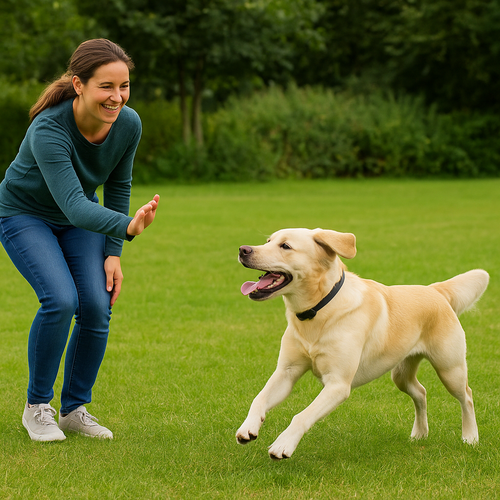
Teaching your dog hand signals works like using sign language. Dogs naturally learn body language, so this is a powerful communication method. Start with basic commands like:
✋ Palm out = Stay
👈 Point = Go this way
✊ Fist = Sit
Be consistent and always reward your dog for responding.
3. Flashlights or Light Signals
Some deaf dog owners use small flashlights or porch lights to get their dog's attention, especially at night. The sudden light change is a clear cue, but make sure your dog doesn’t associate it with fear.
4. Floor Vibrations
Stomping your foot or tapping a solid surface can create vibrations your dog can feel. While this only works at short distances, it’s useful indoors.
Training Tips for Deaf Dogs

Positive Reinforcement: Always reward good behavior with treats, toys, or praise (physical affection works great!).
Be Patient: Deaf dogs aren’t harder to train, they just need different cues.
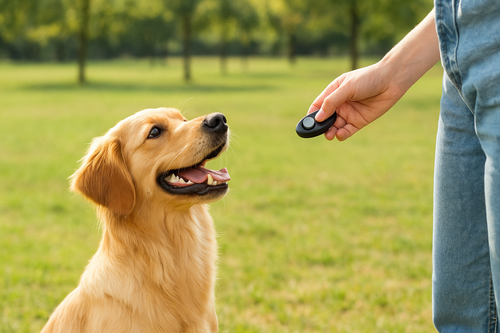
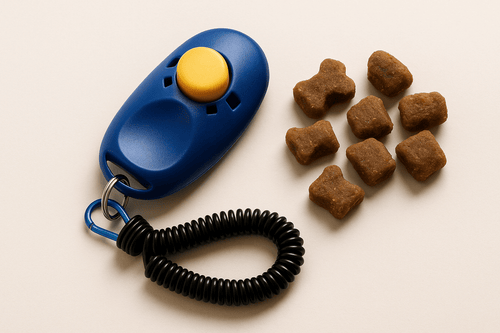
Use a Marker Signal: Just like hearing dogs use clickers, deaf dogs can have a visual marker (like a thumbs up) to mean “yes, good job!”
Consistency is Key: Use the same signals and tools every time to avoid confusion.
Are Calmshops Dog Collars Safe for Deaf Dogs?
Yes! Calmshops collars are vibration-only and specifically designed for training, not punishment. They offer:
- Adjustable vibration intensity
- Long-range remote control
- Durable, splashproof or waterproof design
- Rechargeable batteries
They're a great solution for calling your dog from across the yard or during off-leash play in a safe, controlled environment.
Deaf dogs are amazing companions. With tools like Calmshops vibrating dog collars, hand signals, and positive reinforcement, you can build a strong bond based on trust and clear communication.
Training a deaf dog isn’t about what they can’t hear, it’s about what they can learn. And with the right tools and love, they can learn just about anything.
Frequently Asked Questions
Here are some common questions customers may have about this topic.
What are the safest tools to get a deaf dog’s attention during training?
Vibrating dog collars are one of the safest and most effective tools for getting a deaf dog’s attention. They provide gentle vibrations without causing pain or fear. Using these collars as communication aids, rather than punishment devices, helps build trust and makes training more successful.
How do hand signals help in training a deaf dog?
Hand signals serve as a visual form of communication, similar to sign language. Deaf dogs naturally understand body language, so consistent use of clear hand gestures for commands like sit, stay, and come helps them learn what is expected, making training more intuitive and rewarding.
Can light signals be used effectively with deaf dogs?
Yes, light signals such as flashlights or porch lights can be useful, especially in low-light conditions. They catch the dog’s attention without causing fear if introduced carefully. It’s important to associate these signals with positive experiences to ensure the dog responds calmly.
Why is positive reinforcement important when training a deaf dog?
Positive reinforcement encourages deaf dogs by rewarding good behaviour with treats, toys, or affection. This approach builds a strong bond and motivates the dog to repeat desired actions. Since deaf dogs rely on non-verbal cues, rewards help clarify which behaviours are correct.
How can owners ensure their deaf dog’s safety off-leash?
Owners should use reliable non-verbal signals like vibrating collars and hand gestures combined with consistent training before allowing off-leash activities. Using a safe, enclosed area initially helps the dog respond well to commands, reducing risks and increasing confidence in off-leash situations.