
Shock Collars For Dogs...
If you've ever searched for ways to curb your dog’s unwanted behaviour, chances are you've stumbled upon shock collars as a proposed solution. But the question arises: are dog shock collars cruel? The answer, backed by countless animal welfare organisations, veterinary experts, and legal systems worldwide, is a firm YES.
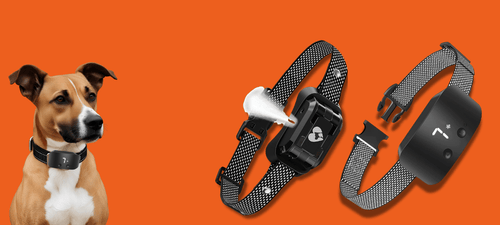
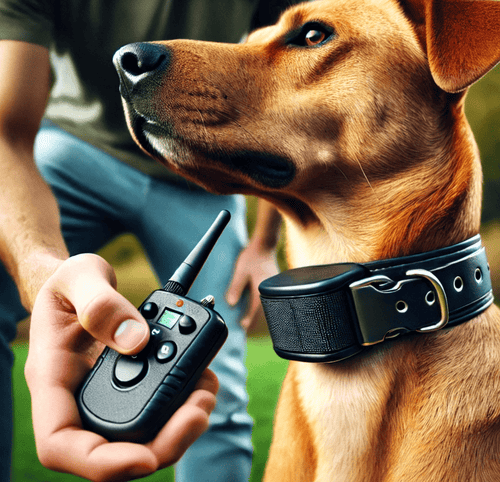
Shock collars, also known as e-collars or electronic training devices, are designed to deliver electric stimuli to a dog’s neck to correct behaviours. While they may appear to offer a quick fix, the ethical implications and negative effects they have on dogs far outweigh any potential benefits.
The Mechanics: What Are Shock Collars and How Do They Work?

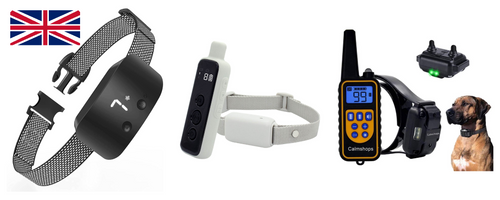
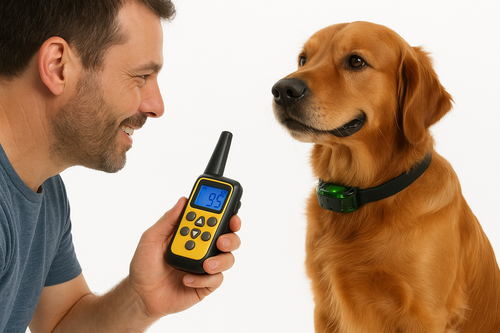
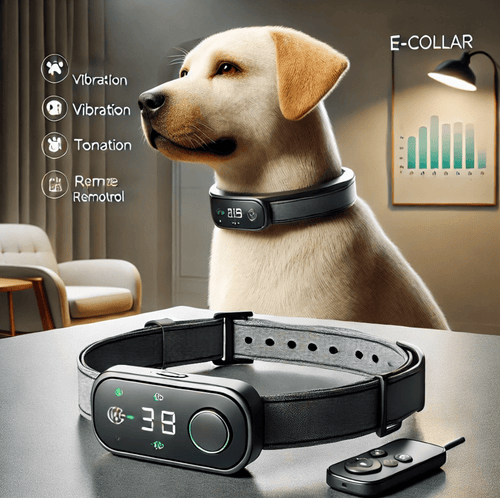
Shock collars operate by delivering a small electric shock, triggered by a remote or automatic sensor. Some collars include tones or vibrations as warning signals before a shock is administered. Although adjustable, even low-level shocks can be distressing to dogs.
A common justification for their use is that the shocks are "harmless" or "mild." However, dogs cannot articulate pain in human terms. What seems minimal to us could be traumatizing for them.
Legal Landscape: Bans Around the World
In many parts of the world, governments have taken a strong stance against these devices, reinforcing the stance that yes, dog shock collars are cruel.
Countries that have banned shock collars include:
-
Germany
-
Austria
-
Switzerland
-
Norway
-
Wales (since 2010)
-
Scotland (guidance bans issued)
These legislative decisions are based on research and public outcry, highlighting the emotional and physical harm these devices cause. The alternative is dog calming collar.
Emotional Toll: Anxiety, Fear, and Aggression
One of the most distressing aspects of shock collars is their effect on a dog’s emotional state. Numerous studies show that dogs exposed to aversive training tools like shock collars exhibit higher stress levels, anxiety, and aggression.
Dogs trained with fear-based methods may obey, but not out of understanding or trust. They comply because they are afraid of being hurt—an approach that undermines the bond between dog and owner.

Veterinary Opinions and Scientific Research
Veterinary associations such as the British Veterinary Association and the American Animal Hospital Association have spoken out against the use of shock collars. Their position is clear: are dog shock collars cruel? Yes, without question.
Research published in journals such as Applied Animal Behaviour Science found that dogs trained with shock collars were more stressed and less engaged than those trained with reward-based methods.
Better Alternatives: Humane and Effective Training Tools

Modern dog training prioritises positive reinforcement over punishment. Humane methods are not only more ethical but have been shown to be far more effective in the long run.
Safe alternatives include:
-
Vibrating collars: These provide a non-painful signal and are often used for hearing-impaired dogs
-
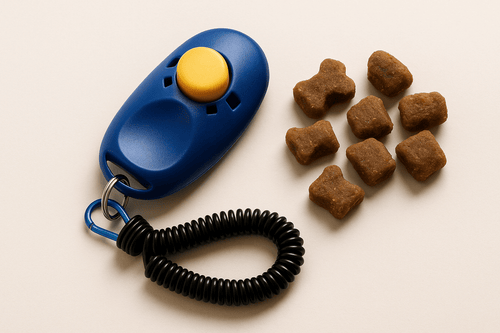
Clicker training: Utilises a consistent sound to reinforce good behaviour
-
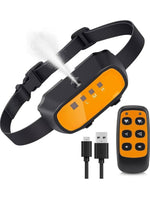
Citronella spray collars: Emits a harmless but unpleasant smell when barking occurs
-
Professional guidance: Working with certified trainers who use science-based methods
Retailers like Calmshops.co.uk specialise in humane dog training tools, including vibrating and citronella spray collars, which do not inflict pain.
Customer Testimonials: The Impact of Switching from Shock to Humane

Many pet owners initially turned to shock collars out of frustration or lack of knowledge. Once introduced to positive training methods, their experience dramatically improved.
One owner wrote:
“We used a shock collar on our terrier for months. It made him nervous and reactive. Since switching to a vibrating collar and working with a trainer, he’s calmer, more confident, and trusts us again.”
Another noted:
“I didn’t realise how cruel shock collars were until our vet explained it. I immediately stopped using it. Our new citronella collar from Calmshops works so much better without the guilt.”

Ethical Training Strengthens the Human-Dog Bond
Training is more than just obedience—it’s about building communication and trust. A shock collar undermines this foundation. Dogs are intelligent, emotional beings capable of learning through kindness and consistency.
When you ask: Are dog shock collars cruel? consider how you would feel if someone used fear to teach you. Compassionate training methods create happier dogs and more fulfilled owners.
Are Dog Shock Collars Cruel? Yes—And They Have No Place in Modern Training
With compelling evidence from science, animal behaviourists, vets, and real-life experiences, the verdict is clear: yes, dog shock collars are cruel. Their risks, emotional damage, and the existence of more humane alternatives make them unacceptable.
If you’re seeking help with your dog’s behaviour, choose methods that respect your dog’s well-being. Say no to fear-based tools and yes to a future built on trust.
Frequently Asked Questions
Here are some common questions customers may have about this topic.
Why are dog shock collars considered cruel according to this article?
The article explains that shock collars deliver electric shocks that can cause distress, anxiety, and fear in dogs. Experts and welfare organisations agree these devices cause emotional and physical harm, making them cruel despite claims they are harmless or mild.
Which countries have banned the use of dog shock collars?
According to the article, countries that have banned shock collars include Germany, Austria, Switzerland, Norway, and Wales. Scotland has also issued guidance banning their use, reflecting widespread legal opposition due to animal welfare concerns.
What emotional effects do shock collars have on dogs?
Shock collars increase stress, anxiety, and aggression in dogs because they rely on fear rather than understanding. This fear-based training damages the trust and bond between dogs and their owners, leading to obedience driven by anxiety rather than positive learning.
What do veterinary associations say about the use of shock collars?
Veterinary groups such as the British Veterinary Association strongly oppose shock collars. They highlight scientific research showing these devices cause stress and lower engagement in dogs compared to reward-based training methods, supporting the stance that shock collars are cruel.
What humane alternatives to shock collars does the article recommend?
The article recommends positive reinforcement and reward-based training as effective, ethical alternatives. These methods build trust and understanding between dogs and owners without causing fear or distress, making them better choices for behavioural correction.