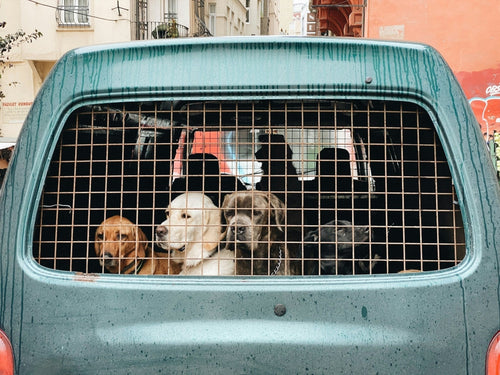

Traveling with your dog can be a joyful experience, but for many pet parents, it also comes with the challenge of ensuring their furry friend feels calm and secure during the journey. In this guide, we’ll explore practical strategies, expert advice, and real dog owner experiences to help you answer the common question: How to avoid my dog being scared or stressed while traveling. We’ll also introduce you to an effective solution—Calmdogs Anti Stress Dog Treats—which can make a significant difference in your dog's travel experience.
Understanding Travel Anxiety in Dogs

Dogs, like people, can experience anxiety in unfamiliar situations. Travel introduces new sights, sounds, smells, and even motion, which may trigger stress responses. Common signs of travel anxiety include excessive panting, drooling, whining, and even destructive behavior. Recognizing these signs early is the first step toward helping your dog feel more comfortable on the go.
Common Causes of Travel Stress
- Motion Sickness: Many dogs suffer from nausea when traveling in a car, which can lead to anxiety and discomfort.
- Separation Anxiety: Being away from familiar surroundings or their human family can trigger stress.
- Unfamiliar Environments: New locations and unexpected changes in routine can unsettle even the most well-adjusted canine.
- Loud Noises: Traffic, sirens, and even the sound of the engine can be distressing to dogs.
Expert Advice on Reducing Travel Stress

Veterinarians and animal behaviorists recommend a combination of training, environmental management, and natural supplements to ease travel-related anxiety in dogs. Here are some expert tips:
Gradual Desensitization
Dr. Emily Carter, a renowned veterinary behaviorist, suggests gradual exposure to the travel environment. "Start with short trips around the neighborhood," she explains, "and slowly increase the duration as your dog becomes more comfortable. Familiarity helps reduce fear."
Create a Safe Space

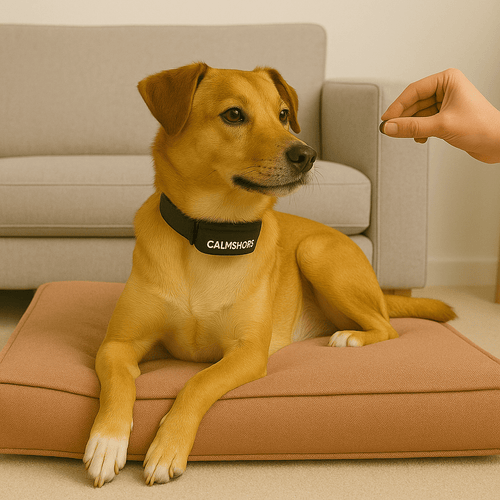
Providing your dog with a familiar blanket, bed, or even a favorite toy can help recreate a sense of home in the car. Secure your pet in a crate or a travel harness to minimize sudden movements and accidents.
Maintain a Calm Environment
A calm driver and a quiet cabin contribute significantly to reducing your dog’s anxiety. Soft music, especially tracks designed for dogs, can help soothe nervous pets.
Use Natural Supplements
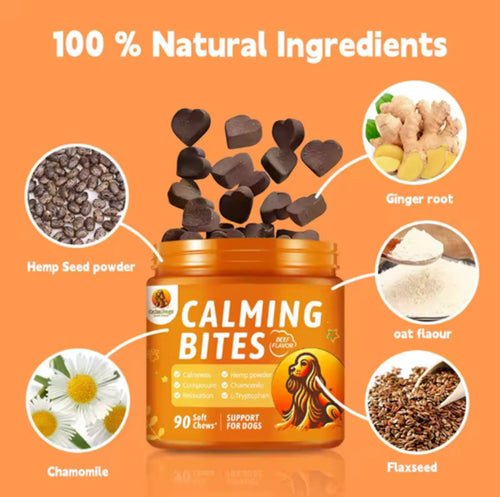
Many experts recommend natural calming aids as part of a comprehensive approach to managing travel stress. One such product is Calmdogs Anti Stress Dog Treats. Formulated with a blend of natural ingredients known for their calming properties, these treats can help your dog relax before and during travel.
The Role of Calming Dog Treats

When addressing travel anxiety, many pet parents have turned to calming dog treats as a natural solution. Calmdogs Anti Stress Dog Treats are specifically designed to help ease anxiety and promote relaxation in dogs. Each chew is formulated with ingredients like Organic Hemp Seed Powder, Organic Passion Flower, L-Tryptophan, Vitamin B1, Organic Hemp Seed Oil, Organic Chamomile, Valerian Root, Suntheanince, and Melatonin. These ingredients work synergistically to reduce stress and encourage a sense of calm in your pet.
How Calmdogs Anti Stress Dog Treats Work
- Natural Ingredients: The active ingredients in Calmdogs are carefully selected for their proven calming effects. For example, Organic Chamomile and Valerian Root are traditional herbs known to reduce anxiety.
- Balanced Formula: With a perfect balance of vitamins and natural extracts, these treats not only calm your dog but also support overall well-being.
- Convenient Dosage: Depending on your dog’s weight, you can adjust the number of chews per day (1-5 chews), ensuring that your pet gets the precise amount needed for optimal results over a 4-6 week period.
Discover Calmdogs Anti Stress Dog Treats now and see how they can make travel a more pleasant experience for your dog.
Real Dog Owner Experiences

Many dog owners have shared their success stories using calming dog treats and other travel strategies. Here are a few experiences that highlight effective practices:
Sarah’s Story from Bristol
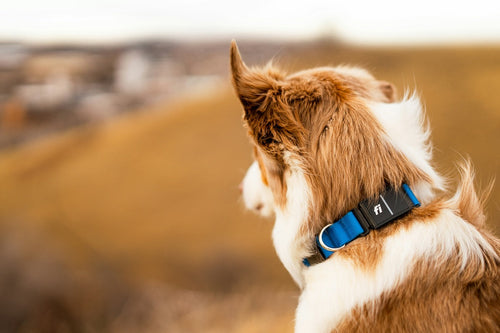
Sarah, a dog owner from Bristol, had long struggled with her Border Collie, Max, who became extremely anxious during car journeys. "I tried everything from playing soft music to using a special seatbelt harness," she recalls. "But nothing worked until I started giving him Calmdogs Anti Stress Dog Treats. Within a couple of weeks, Max started to relax, and our car rides became much more enjoyable for both of us." Sarah emphasizes that the natural ingredients in the treats made all the difference.
John’s Journey with His Golden Retriever
John, who frequently travels for work, found that his Golden Retriever, Bella, was always nervous on long trips. After consulting with his vet and reading expert advice, John introduced a mix of gradual desensitization and natural calming aids. "Calmdogs treats really helped Bella stay calm, even during long flights and road trips," John notes. He adds that combining these treats with a comfortable travel crate and regular breaks made the journey stress-free for his pet.
Emily’s Experience on Family Vacations
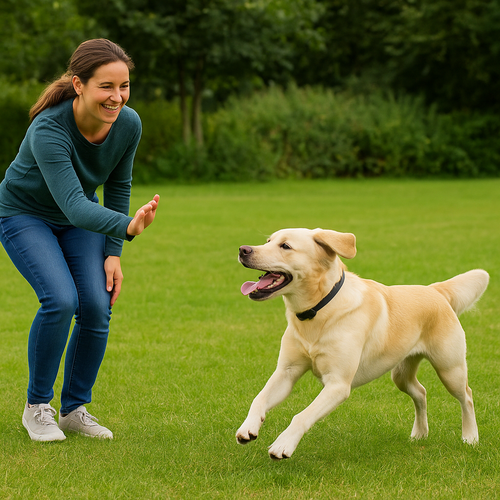
Emily, a mother of two and a devoted dog owner, shares her family’s experience during summer vacations. "Our Labrador, Buddy, would always get agitated when we started the car. After trying several methods, we discovered the benefits of using natural calming treats. Calmdogs Anti Stress Dog Treats not only calmed him down but also made the whole travel experience more pleasant for the kids, as Buddy was no longer the anxious pooch we once knew."
Additional Tips for Stress-Free Travel

Beyond the use of calming dog treats, here are some extra tips to ensure your dog stays relaxed during travel:
Pre-Travel Routine
Establish a calming pre-travel routine that includes a light walk, playtime, and a quiet moment before the journey begins. This routine can help reduce pent-up energy and anxiety.
Regular Breaks
On long journeys, make sure to schedule regular breaks for your dog to stretch, relieve themselves, and have some water. These short pauses can significantly lower stress levels.
Hydration and Nutrition
Ensure your dog is well-hydrated and has eaten a light meal a few hours before departure. A stable blood sugar level can contribute to a calmer demeanor.
Consult Your Veterinarian
If your dog experiences severe anxiety, consult your veterinarian for personalized advice. They might recommend additional supplements or behavior-modifying techniques tailored to your dog’s specific needs.
Last bark

Traveling with your dog doesn’t have to be a stressful ordeal. By combining expert advice, practical strategies, and the power of natural calming dog treats like Calmdogs Anti Stress Dog Treats, you can create a stress-free travel experience for your beloved pet. Remember, consistency is key. Implement a gradual travel routine, maintain a calm environment, and consider supplementing with natural aids to help your dog adjust to the journey.
For those looking for a trusted solution, Calmdogs Anti Stress Dog Treats offer a natural, effective way to support your dog’s well-being on the road. Embrace these strategies, and soon your travel adventures will be filled with calm, happy moments shared with your best friend.
By following these guidelines and drawing on expert advice and real dog owner experiences, you’ll be well on your way to answering the question: How to avoid my dog being scared or stressed while travelling. Enjoy every journey with a relaxed, content, and joyful companion by your side.
Frequently Asked Questions
Here are some common questions customers may have about this topic.
What are the early signs that my dog is stressed while travelling?
Early signs of travel stress in dogs include excessive panting, drooling, whining, and sometimes destructive behaviour. Recognising these signs early allows you to take steps to help your dog feel more comfortable and secure during the journey.
How can gradual desensitisation help reduce my dog's travel anxiety?
Gradual desensitisation involves slowly exposing your dog to travel environments, starting with short trips around the neighbourhood. This helps your dog build familiarity and confidence, reducing fear and making longer journeys less stressful over time.
What role do Calmdogs Anti Stress Dog Treats play in managing travel stress?
Calmdogs Anti Stress Dog Treats contain natural ingredients known for their calming properties. They can be given before and during travel to help your dog relax, making the overall journey less stressful and more enjoyable for both of you.
Why is it important to create a safe space for my dog during travel?
Providing a safe space, such as a crate or travel harness with a familiar blanket or toy, helps your dog feel secure and minimises sudden movements. This familiar environment can reduce anxiety and prevent accidents, ensuring a calmer travel experience.
How can I maintain a calm environment in the car to help my dog relax?
Maintaining a calm environment includes being a calm driver, keeping the cabin quiet, and playing soft music designed for dogs. These factors reduce external stressors, helping your dog feel more at ease throughout the journey.