
Training your dog to respond reliably to recall commands is essential for their safety and your peace of mind. While traditional methods often involve verbal cues and treats, incorporating a vibrating dog collar for recall can significantly enhance training effectiveness, especially for dogs with hearing impairments or those easily distracted. This article explores the benefits, proper usage, and considerations when integrating a vibrating collar into your dog's recall training regimen.
Understanding Vibrating Dog Collars

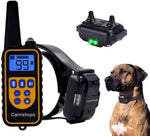
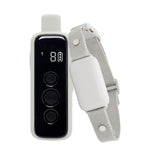
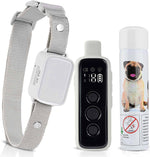
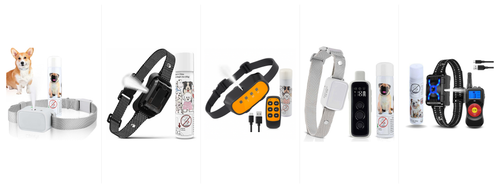
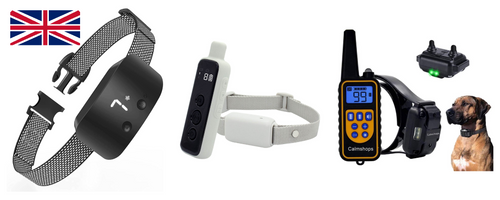
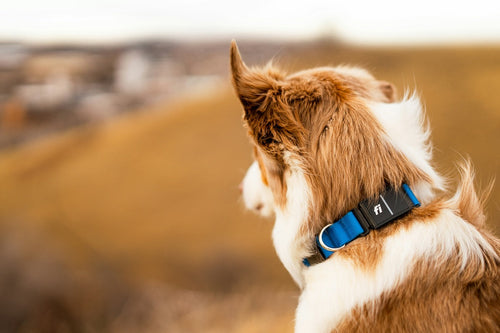
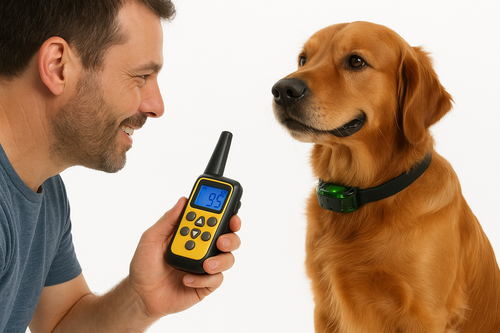
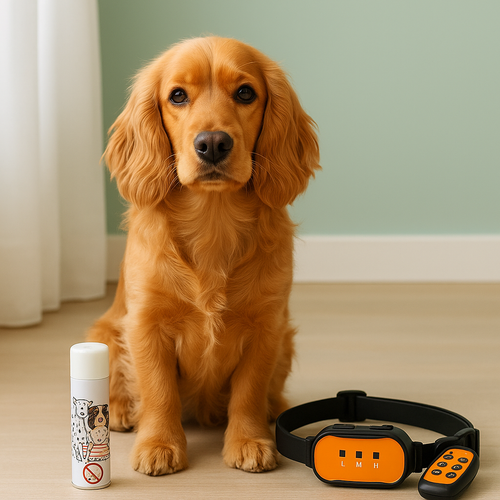
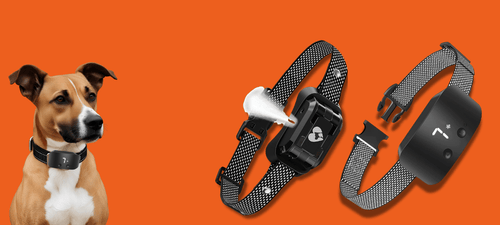
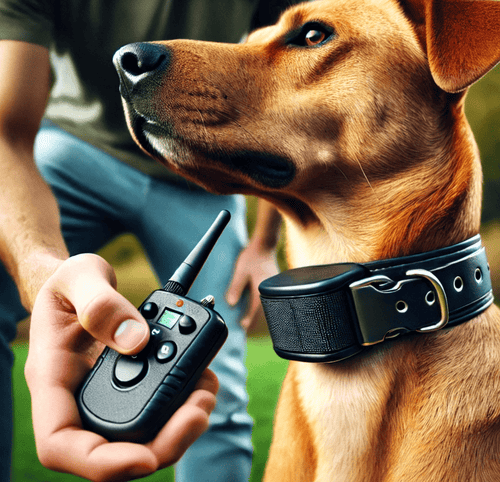
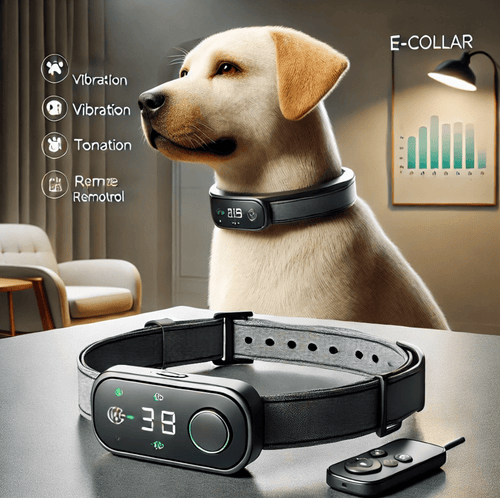
A vibrating dog collar is a device that delivers a gentle vibration to your dog's neck, serving as a tactile cue. Unlike shock collars, which administer an electric stimulus, vibrating collars provide a humane alternative for communication during training sessions. They are particularly beneficial for:
-
Deaf or Hard-of-Hearing Dogs: Vibrations can replace verbal commands, allowing for effective communication.
-
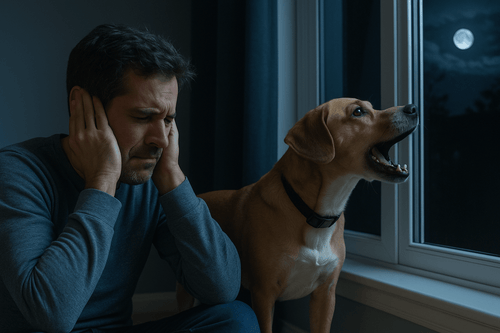
Distracted Dogs: The sensation can redirect attention back to the owner, reinforcing recall commands.
-
Positive Reinforcement Training: When paired with rewards, vibrations can mark desired behaviors without causing distress.
Benefits of Using a Vibrating Dog Collar for Recall

-
Enhanced Communication: Vibrations offer a clear, consistent signal that can cut through environmental noise or distractions, ensuring your dog understands when to return to you.
-
Humane Training Method: As a non-punitive tool, vibrating collars align with positive reinforcement strategies, promoting trust and reducing anxiety.
-
Versatility: These collars are suitable for various training scenarios beyond recall, such as correcting unwanted behaviors or teaching new commands.
Implementing Vibrating Collars in Recall Training

To effectively use a vibrating dog collar for recall, follow these steps:
-
Introduce the Collar Gradually:
-
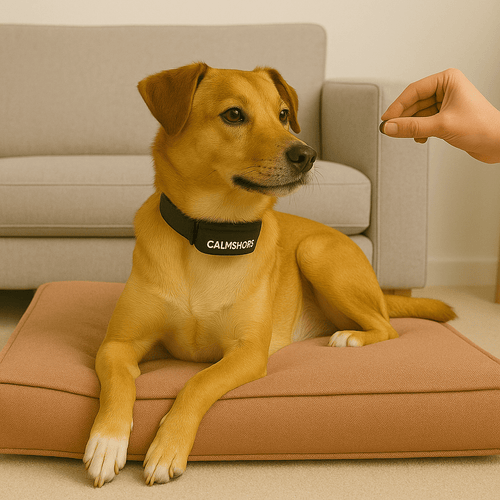
Allow your dog to wear the collar without activation to become accustomed to its presence.
-
Ensure the collar fits snugly but comfortably, following manufacturer guidelines.
-
-
Associate Vibration with Positive Experiences:
-
Activate the vibration briefly and immediately offer a high-value treat or affection.
-
Repeat this process until your dog associates the vibration with positive outcomes.
-
-
Pair Vibration with Recall Command:
-
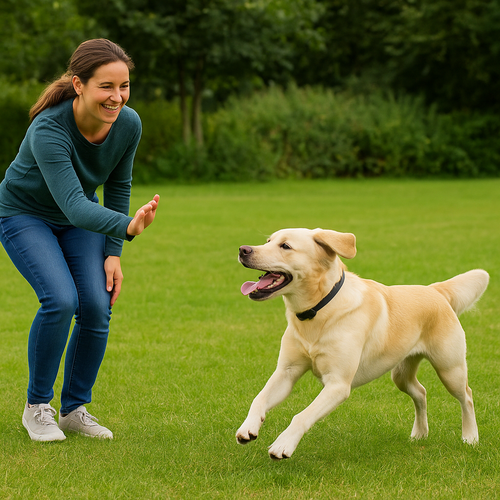
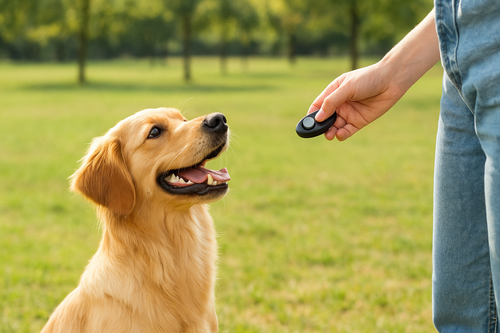
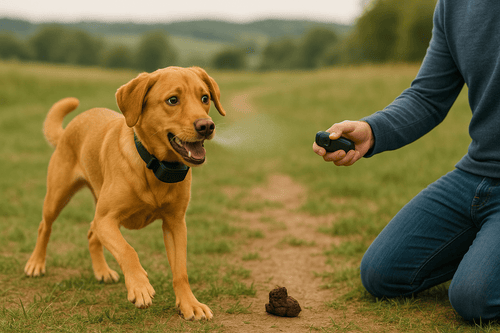
In a distraction-free environment, use the vibration simultaneously with your verbal recall cue (e.g., "come").
-
Reward your dog upon returning, reinforcing the behavior.
-
-
Practice in Varied Environments:
-
Gradually introduce distractions and different settings, maintaining consistency with the vibration and rewards.
-
Ensure safety by using a long leash during initial outdoor sessions.
-
-
Fade Out the Vibration:
-
As your dog's recall improves, reduce reliance on the vibration, using it only when necessary.
-
Considerations and Best Practices

-
Consult a Professional: If you're new to using a vibrating collar, seek guidance from a certified dog trainer to ensure proper usage.
-
Monitor Your Dog's Response: Observe your dog's behavior for signs of stress or discomfort. Discontinue use if adverse reactions occur.
-
Quality Matters: Invest in a reputable collar with adjustable vibration settings to tailor the intensity to your dog's needs.
-
Legal and Ethical Aspects: Familiarize yourself with local regulations regarding electronic collars and adhere to ethical training practices.

Real-Life Success Stories
Many dog owners have found success using vibrating collars for recall training:
-
Case Study 1: Sarah's Border Collie, Max, was easily distracted during off-leash walks. Incorporating a vibrating collar improved his recall significantly, allowing for safer, more enjoyable outings.
-
Case Study 2: Tom adopted Bella, a deaf Dalmatian. Utilizing a vibrating collar enabled effective communication, strengthening their bond and enhancing Bella's responsiveness to commands.
Last Bark
Integrating a vibrating dog collar for recall into your training toolkit can be a humane and effective strategy to enhance your dog's responsiveness. By following proper introduction techniques, pairing vibrations with positive reinforcement, and practicing consistently, you can improve recall reliability. Always prioritize your dog's well-being, consult professionals when needed, and choose quality equipment to ensure a successful training experience.
Frequently Asked Questions
Here are some common questions customers may have about this topic.
How does a vibrating dog collar improve recall training compared to verbal commands alone?
A vibrating dog collar provides a consistent tactile cue that can be felt by the dog even when verbal commands are missed due to distractions or hearing impairments. This ensures clearer communication and helps the dog associate the vibration with the recall command, enhancing responsiveness.
Is it safe to use a vibrating collar for dogs that are sensitive or anxious?
Yes, vibrating collars are considered a humane training tool because they use gentle vibrations rather than electric shocks. When introduced gradually and paired with positive reinforcement, they can reduce anxiety and build trust without causing distress.
What is the best way to introduce a vibrating collar to my dog during training?
Begin by letting your dog wear the collar without activating it to get used to its presence. Then, activate the vibration briefly and immediately follow with a treat or affection. Repeat this until your dog links the vibration with positive experiences before pairing it with recall commands.
Can a vibrating collar be used effectively for dogs that are deaf or hard of hearing?
Absolutely. Vibrating collars serve as an excellent communication tool for deaf or hard-of-hearing dogs by replacing verbal commands with a tactile signal. This helps in teaching recall and other commands through vibration cues and positive reinforcement.
How should I transition away from relying on the vibrating collar once my dog responds well to recall commands?
Once your dog consistently responds to recall commands with the help of the vibrating collar, gradually reduce the use of the vibration signal. Continue to reward your dog for returning, using the vibration only when necessary, to encourage independent recall.