
Dog owners often face the challenge of managing unwanted behaviors such as excessive barking, running away, or aggression. One tool frequently debated is the shock collar for dogs. While some pet owners swear by them, others strongly oppose their use due to concerns about humane treatment and effectiveness. In this comprehensive guide, we’ll explore the pros and cons of dog shock collars, discuss their proper usage, and examine safer, more humane alternatives. We strongly recommend NOT to use shock collars for dogs.
What is a Shock Collar for Dogs?
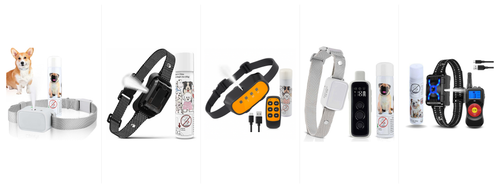
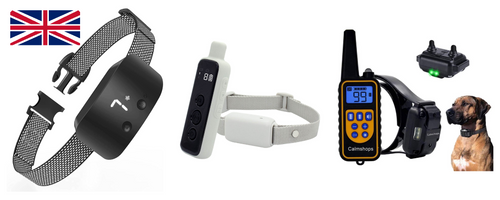
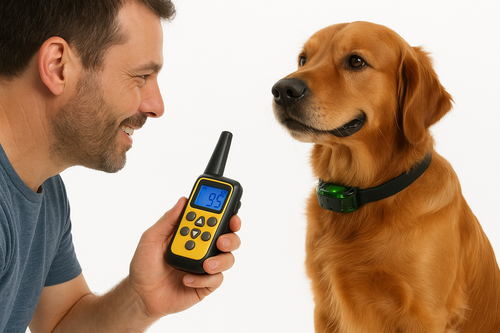
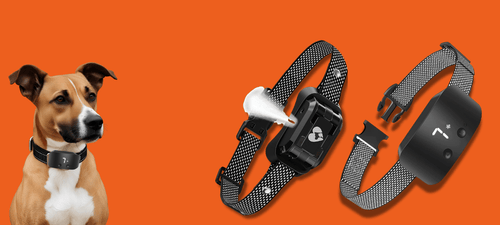
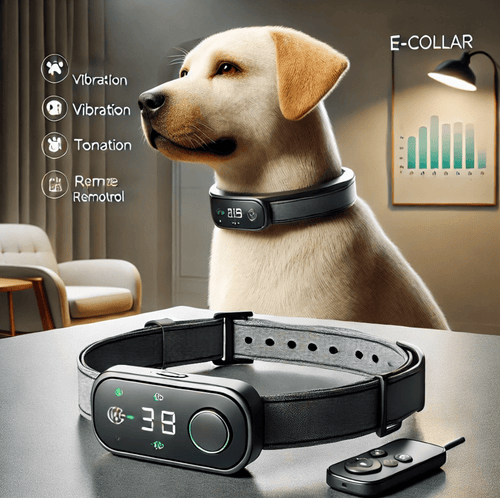
A shock collar, also known as an electronic collar (e-collar), delivers an electric stimulus to the dog’s neck through metal contacts. This shock can vary from mild to more intense levels, controlled by the owner via a handheld remote or triggered automatically in response to certain behaviors, like barking.

How Does a Shock Collar Work?
Shock collars typically offer three primary modes:
-
Static shock: Delivers a mild electric stimulation (can feel very uncomfortable for your dog!)
-
Vibration: Provides a vibrating sensation without a shock
-
Tone/beep: Emits an audible sound, often used as a warning signal
The theory behind shock collars is aversive conditioning. The dog associates unwanted behavior with the unpleasant sensation of the shock, reducing or eliminating the behavior.
Arguments in Favor of Using Shock Collars
Advocates of shock collars often highlight these potential benefits:
Quick Results
Many dog owners report immediate improvement in behavior, especially in emergency situations where rapid correction is essential.
Remote Control
Owners can correct behavior from a distance, useful for off-leash training in wide-open spaces.
Adjustable Intensity
Most collars have adjustable settings to ensure appropriate stimulation levels tailored to the dog's sensitivity.

Arguments Against Shock Collars
Opponents emphasize several critical drawbacks:
Risk of Physical and Emotional Harm
Misuse or overuse can lead to anxiety, fear, aggression, or physical injury, such as burns or skin irritation.
Potential for Misuse
Owners unfamiliar with proper training techniques can misuse the collars, leading to ineffective training or worsening behavioral issues.
Short-Term Solution
Shock collars may suppress behavior temporarily without addressing underlying causes, such as anxiety or lack of proper training.
Scientific Perspectives on Shock Collars
Studies indicate that while shock collars can suppress unwanted behavior temporarily, they often increase stress and anxiety in dogs. Organizations like the American Veterinary Society of Animal Behavior discourage the use of shock collars, recommending positive reinforcement methods instead.
Proper Use and Safety Guidelines
If you choose to use a shock collar, follow these essential guidelines:
-
Consult a Professional: Engage a professional dog trainer experienced with shock collars.
-
Start Low: Begin with the lowest stimulation setting and gradually adjust.
-
Limited Duration: Use shock collars sparingly and for short durations only.
-
Monitor Your Dog: Watch closely for signs of distress or anxiety and discontinue use if negative reactions occur.

Humane Alternatives to Shock Collars
If you're hesitant about shock collars, consider these more humane, effective training alternatives:
Positive Reinforcement
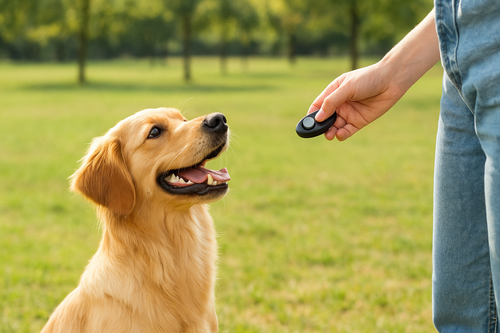
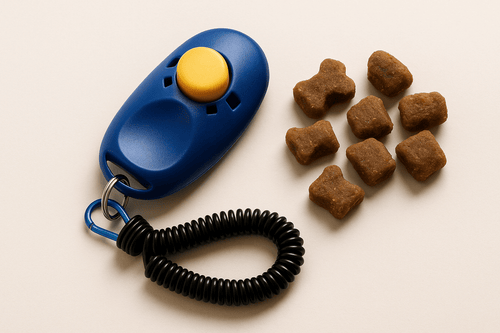
Reward desired behaviors with treats, praise, or playtime, strengthening your dog's understanding of acceptable behaviors.
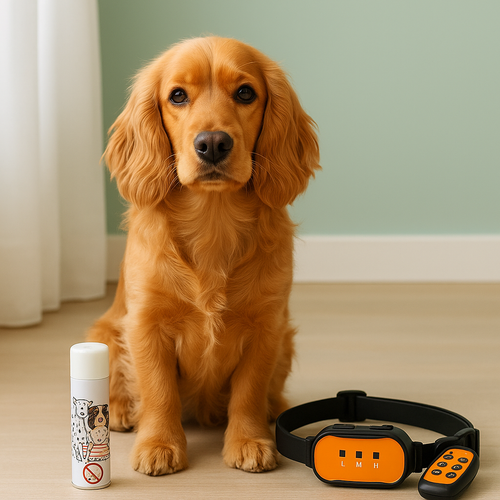
Citronella Collars

Spray a harmless burst of citronella scent to interrupt unwanted behaviors like barking, often effective and gentle.
Vibration Collars

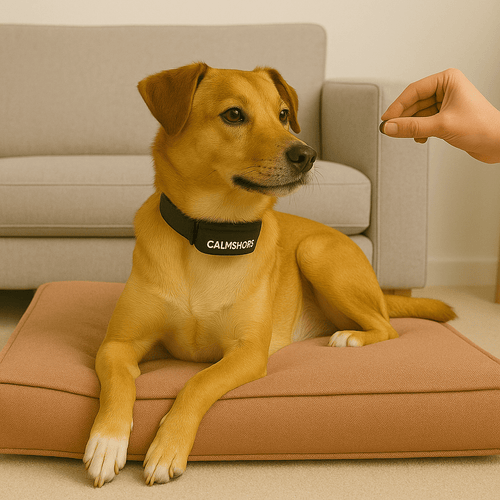
Provide non-painful vibrations to capture your dog’s attention without the use of electrical shocks.

When Not to Use Shock Collars
Shock collars are not suitable for every dog. Avoid them entirely if your dog:
-
Is anxious, fearful, or prone to aggression
-
Has health issues, such as heart conditions or epilepsy
-
Is young, as puppies are particularly sensitive and need gentle training approaches
Responsible Decision Making
Deciding whether to use a shock collar for dogs requires careful thought about your dog’s temperament, your training experience, and alternative solutions available. Always prioritize your dog’s emotional well-being and physical safety. But we strongly suggest to use only vibrating dog collars, spray collars and beep collars as recommended by proffesional dog trainers.
Last Paw: Making an Informed Choice
Shock collars for dogs can yield quick results, but they come with significant risks. By understanding both the potential benefits and the serious drawbacks, you can make a responsible and informed choice. Often, positive training methods provide more sustainable, stress-free results, creating a happier, healthier relationship between you and your beloved canine companion.
Consider exploring comprehensive, gentle training options first. For additional guidance or professional assistance, visit AboutDogs.co.uk to connect with local, certified dog trainers who prioritize humane, effective training solutions.
Frequently Asked Questions
Here are some common questions customers may have about this topic.
What exactly is a shock collar and how does it work for dog training?
A shock collar, or electronic collar, delivers an electric stimulus to a dog’s neck through metal contacts. It usually has static shock, vibration, and tone modes. The shock is meant to act as an aversive stimulus, discouraging unwanted behaviours by associating them with discomfort.
Are shock collars a safe choice for managing my dog's behaviour?
Shock collars carry risks such as physical injury and emotional harm like anxiety or aggression. Misuse or overuse can worsen behaviour problems. Due to these concerns, they are generally not recommended, and safer, more humane training methods are preferred.
Can shock collars provide long-term behaviour improvement in dogs?
Shock collars tend to suppress unwanted behaviours temporarily without addressing root causes such as anxiety or insufficient training. This makes them a short-term fix rather than a sustainable solution for behaviour modification.
What are some safer alternatives to shock collars for dog training?
Positive reinforcement methods, such as rewarding desired behaviours with treats or praise, are recommended. These approaches build trust and encourage lasting behavioural changes without causing stress or harm to the dog.
If I decide to use a shock collar, what safety precautions should I follow?
If using a shock collar, ensure you use the lowest effective setting and avoid prolonged or frequent shocks. Monitor your dog closely for signs of distress and combine collar use with positive training techniques to minimise potential harm.