
Being afraid of your own dog can be a distressing and isolating experience. Dogs are often regarded as loyal companions, but when fear sets in, it can damage the bond between you and your pet. If you find yourself in this situation, know that you are not alone, and there are effective ways to manage and overcome this fear. In this blog post, we will explore the reasons behind this fear, practical steps to regain confidence, and methods to build a trusting relationship with your dog.
Understanding the Root of Your Fear

Before you can address your fear, it is important to understand why you feel this way. There are several reasons why someone might become scared of their own dog:
-
Past Trauma: If you have experienced a previous dog attack or witnessed aggressive behavior, it can create lingering anxiety.
-
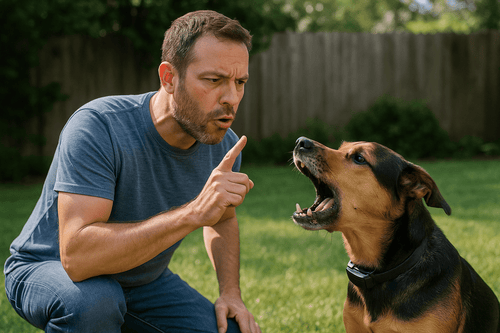
Unpredictable Behavior: If your dog has displayed sudden aggression or erratic behavior, it can make you feel unsafe.
-
Lack of Experience: First-time dog owners may feel uncertain about handling a dog, especially if it shows signs of dominance or territoriality.
-
Resource Guarding: Dogs that guard food, toys, or space aggressively can instill fear in their owners.
-
Separation Anxiety Issues: A dog that is overly attached and exhibits destructive behaviors when left alone can create a stressful environment.
-
Misinformation or Myths: Some people develop fear based on myths or misunderstandings about certain breeds or canine behavior.
Steps to Overcome Fear and Regain Control

If you feel afraid of your own dog, it’s essential to take proactive steps to rebuild confidence and create a safe, positive environment. Here’s how you can start:
1. Assess Your Dog’s Behavior
Understanding why your dog acts a certain way is crucial. Observe their triggers and patterns:
-
Does your dog growl when approached during meals?
-
Do they become aggressive when startled?
-
Is their body language tense or defensive?
Recognizing these signals can help you take preventive measures and address underlying issues.
2. Consult a Professional Trainer or Behaviorist
If your dog’s behavior is concerning, seeking professional help is one of the best steps you can take. A certified dog trainer or animal behaviorist can assess your dog’s temperament and provide customized training solutions.
-
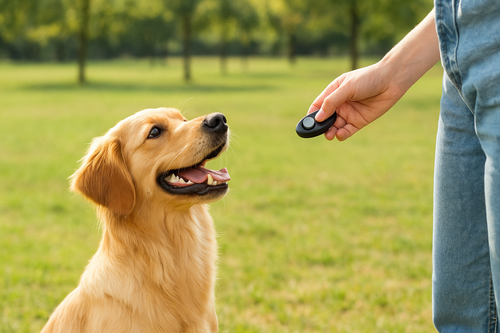
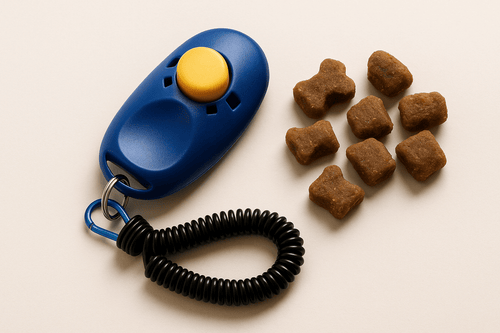
Positive Reinforcement Training: Encourages good behavior with rewards instead of punishment.
-
Behavior Modification Techniques: Helps correct aggressive or fearful responses.
-
Desensitization and Counter-Conditioning: Gradual exposure to triggers can help reduce fear and aggression.
3. Use a Secure and Controlled Environment
Creating a safe space for both you and your dog is essential:
-
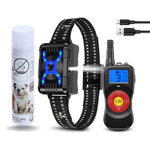
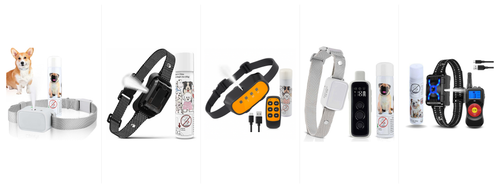
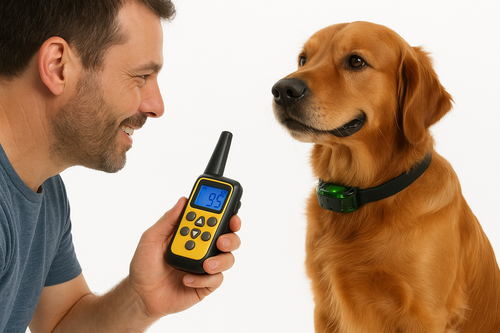
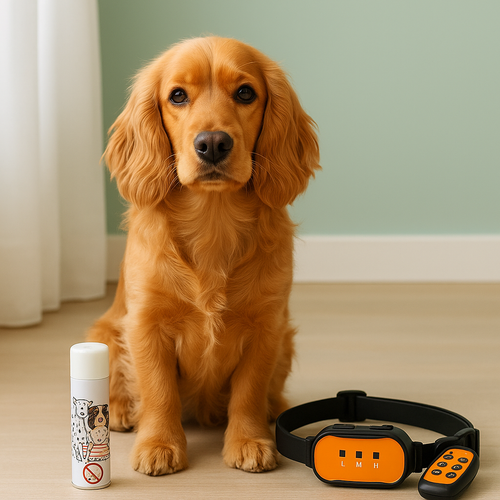
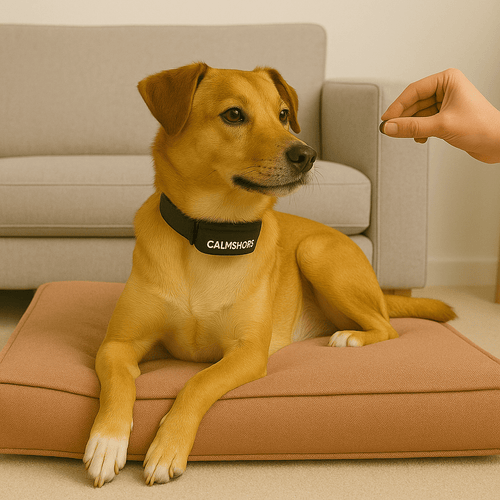
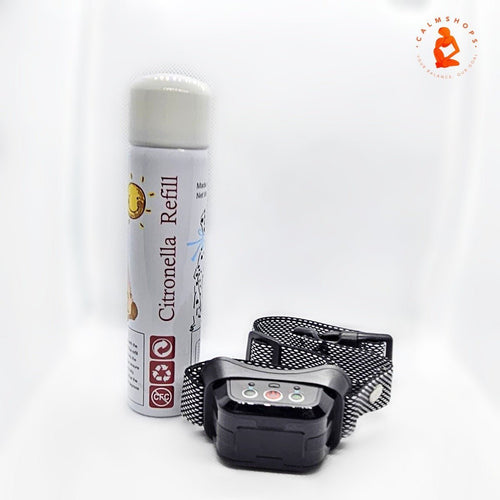
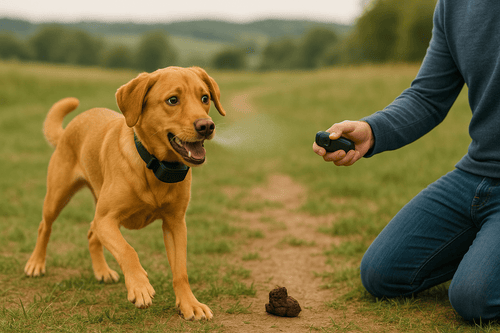
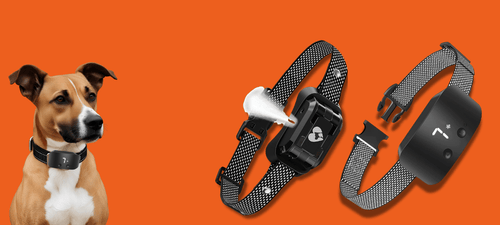
Use a dog training collar (vibration or beep mode) to reinforce commands safely.
-
Keep interactions calm and predictable.
-
If needed, use barriers such as baby gates to manage spaces while training.

4. Avoid Triggers That Escalate Aggression
Understanding what makes your dog react aggressively is key:
-
Avoid staring directly into their eyes, which can be perceived as a threat.
-
Do not grab them forcefully or corner them.
-
Give them space when they show signs of stress.
By reducing potential triggers, you can gradually rebuild trust.
5. Establish Leadership and Consistency
Dogs thrive when they understand their role within the household. Establish clear rules and routines:
-
Feed your dog after you eat to reinforce leadership.
-
Set boundaries such as no jumping on furniture unless invited.
-
Maintain a calm and assertive demeanor.
When your dog respects and understands boundaries, they are less likely to exhibit problematic behaviors.
6. Practice Confidence-Building Exercises
Your dog can sense fear, so it’s important to work on projecting calmness and confidence:
-
Stand tall with relaxed posture when interacting with your dog.
-
Use a firm but non-threatening voice.
-
Gradually engage in activities that help you feel more comfortable, like short training sessions or supervised playtime.
7. Consider a Muzzle for Safety
If your fear stems from aggression, using a properly fitted dog muzzle can provide peace of mind while you work on behavior correction. Muzzles should never be a permanent solution but can help during training and socialization.
Rebuilding Trust and Strengthening Your Bond

Once you feel safer, it’s time to work on reconnecting with your dog. The goal is to foster a trusting relationship rather than one based on fear.
1. Engage in Positive Activities Together
Find enjoyable, non-threatening activities to do together:
-
Go for a walk using a dog training leash to maintain control.
-
Play games that encourage cooperation, such as fetch or hide-and-seek.
-
Use interactive feeding puzzles to encourage positive reinforcement.
2. Reward Good Behavior Consistently
Whenever your dog behaves well, reward them with:
-
Treats
-
Praise
-
Gentle petting (if they are comfortable with it)
This positive association will help reinforce desirable behaviors and reduce fear-inducing reactions.
3. Learn Basic Dog Body Language
Understanding how dogs communicate can prevent misunderstandings:
-
A wagging tail doesn’t always mean happiness; a stiff, high wag can indicate tension.
-
Licking lips and yawning can be signs of stress.
-
Raised hackles don’t always mean aggression; they can signal excitement or anxiety.
Knowing these cues will help you respond appropriately and avoid potential conflicts.
When to Seek Professional Help

If your fear persists or your dog continues to exhibit dangerous behavior, consider seeking further assistance:
-
Veterinary Evaluation: Some behavioral issues stem from pain or medical conditions.
-
Specialized Training Programs: Intensive training courses can help with severe aggression or anxiety.
-
Rehoming Considerations: If all efforts fail and safety is a concern, rehoming your dog to a more suitable environment may be the best choice.
Being scared of your own dog is an unsettling experience, but it is not an insurmountable problem. By understanding the cause of your fear, working on behavior training, and taking proactive steps to rebuild trust, you can foster a positive and secure relationship with your pet. Remember, patience and consistency are key, and professional help is always available if needed.
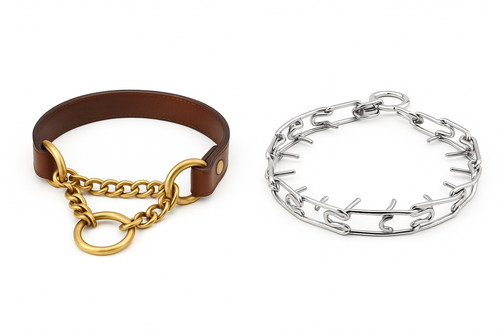
If you need tools for training and safety, check out Calmshops.co.uk for high-quality dog training collars, leashes, and muzzles designed to make training easier and more effective.
Frequently Asked Questions
Here are some common questions customers may have about this topic.
Why might I be scared of my own dog even if it has never bitten me?
Fear can stem from past trauma, unpredictable behaviour, or resource guarding, even without a bite incident. Sometimes, misinformation or myths about certain breeds contribute, or you may feel uncertain as a first-time owner. Understanding these causes helps address the fear effectively.
How can I safely assess my dog’s behaviour to understand my fear better?
Observe your dog’s body language and triggers carefully. Note if they growl during meals, show defensive postures, or react aggressively when startled. Keeping a diary of these behaviours can help identify patterns and inform the next steps for training or professional help.
When should I consider consulting a professional trainer or behaviourist?
If your dog shows signs of aggression, unpredictability, or resource guarding that makes you feel unsafe, it's wise to seek professional advice. A certified trainer or behaviourist can offer tailored strategies like positive reinforcement and behaviour modification to rebuild trust and safety.
What practical steps can I take at home to regain confidence around my dog?
Create a calm, controlled environment by using training collars and predictable routines. Avoid sudden movements and respect your dog’s space, especially around food or toys. Gradual, positive interactions help both of you build a safer, more trusting relationship.
Is it normal to feel isolated or embarrassed about being scared of my own dog?
Absolutely, many people feel isolated when scared of their pets, but you are not alone. Recognising your fear is the first step towards improvement. Seeking support from professionals or online communities can provide reassurance and practical advice to overcome your fear.